I present and run workshops on what AI changes about the work we ask learners to do. I come to it as a practitioner: I design courses with subject matter experts, build the tools behind them, and use AI in that work myself, so what I bring to a room comes from things I have made and seen used. I taught before I designed, and my sessions are built to be worked through, with live walkthroughs, short exercises, and time for people to bring their own cases. Since 2024 I have presented at the University of New England’s CETL Symposium and at a NERCOMP workshop, and in 2026 I was asked to bring one session back as a two-day workshop for faculty.
- Summer 2026A two-day faculty workshop with CETLFaculty workshop
- May 2026Reclaiming the Next Question: A Human-Centered FrameworkUNE CETL Symposium
- Fall 2024An Accelerated Learning Path FrameworkNERCOMP workshop
- Spring 2024Adapting Assignments in an AI ContextUNE CETL Symposium
A two-day faculty workshop with CETL
Faculty workshop with CETL · Two days · Facilitator
I was asked to reprise the session below, “Reclaiming the Next Question,” as a facilitator in a more focused two-day faculty workshop with CETL.
Reclaiming the Next Question: A Human-Centered Framework
UNE CETL Symposium · Breakout session, 75 minutes · Co-presenter
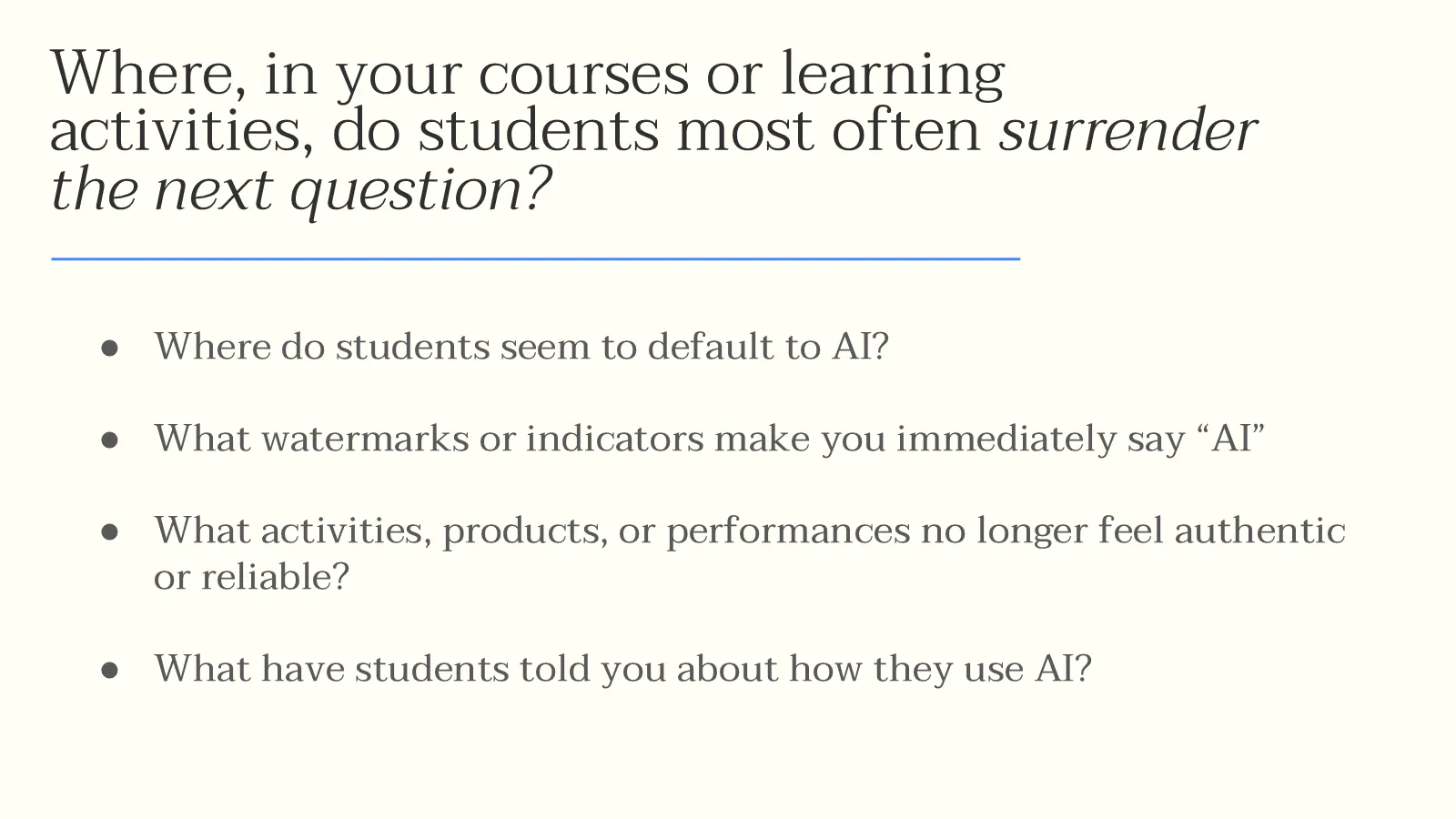
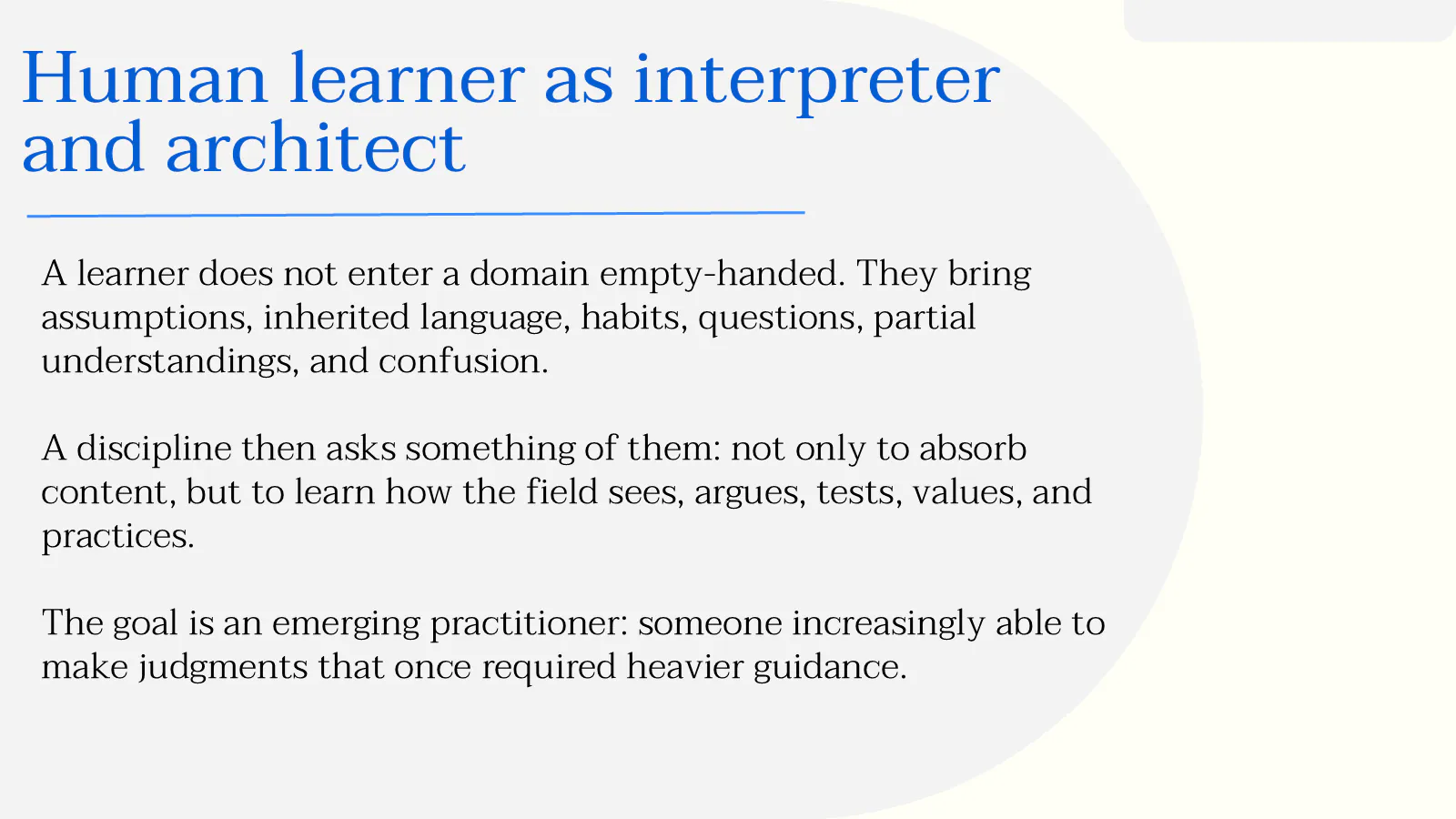
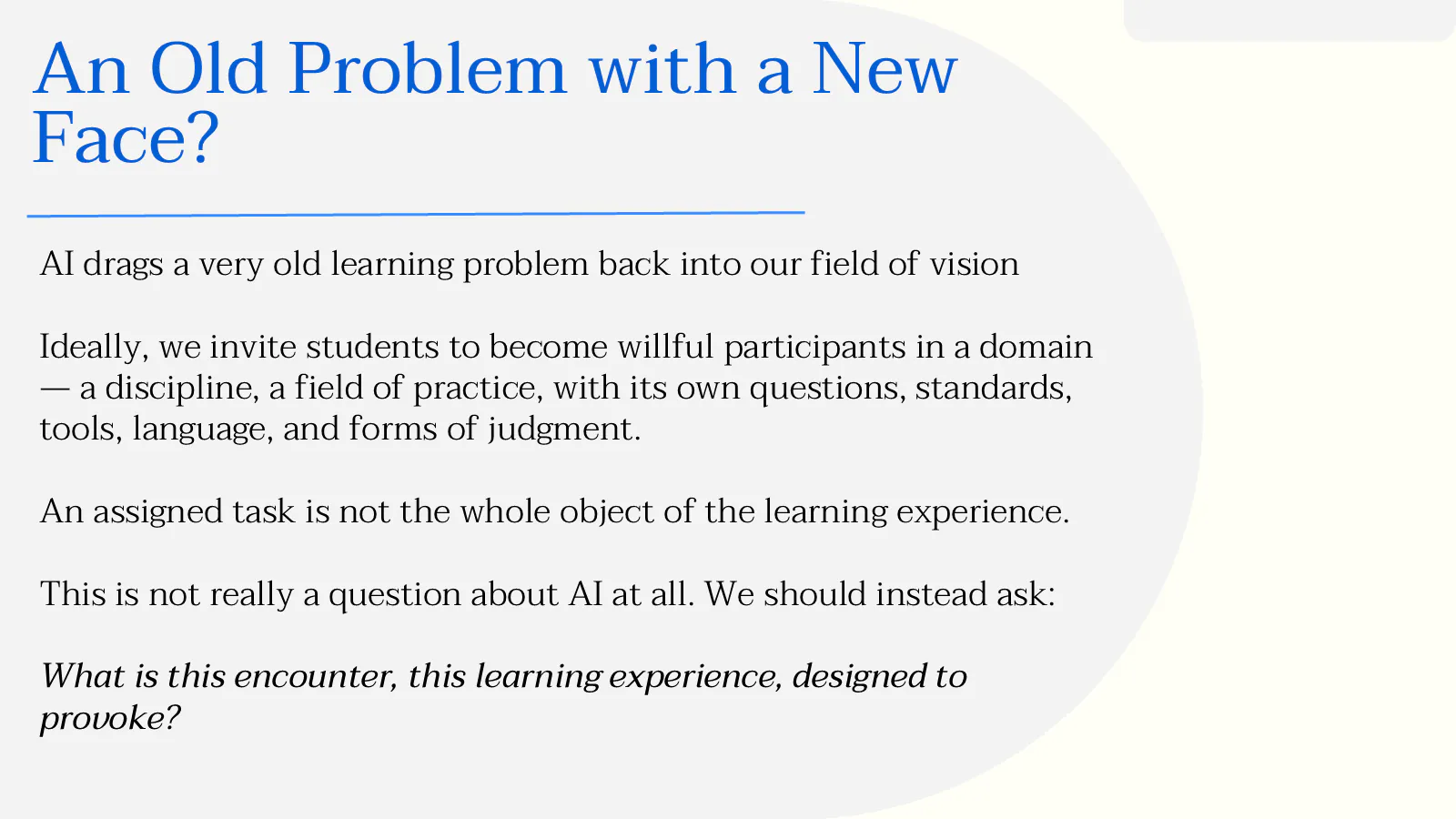
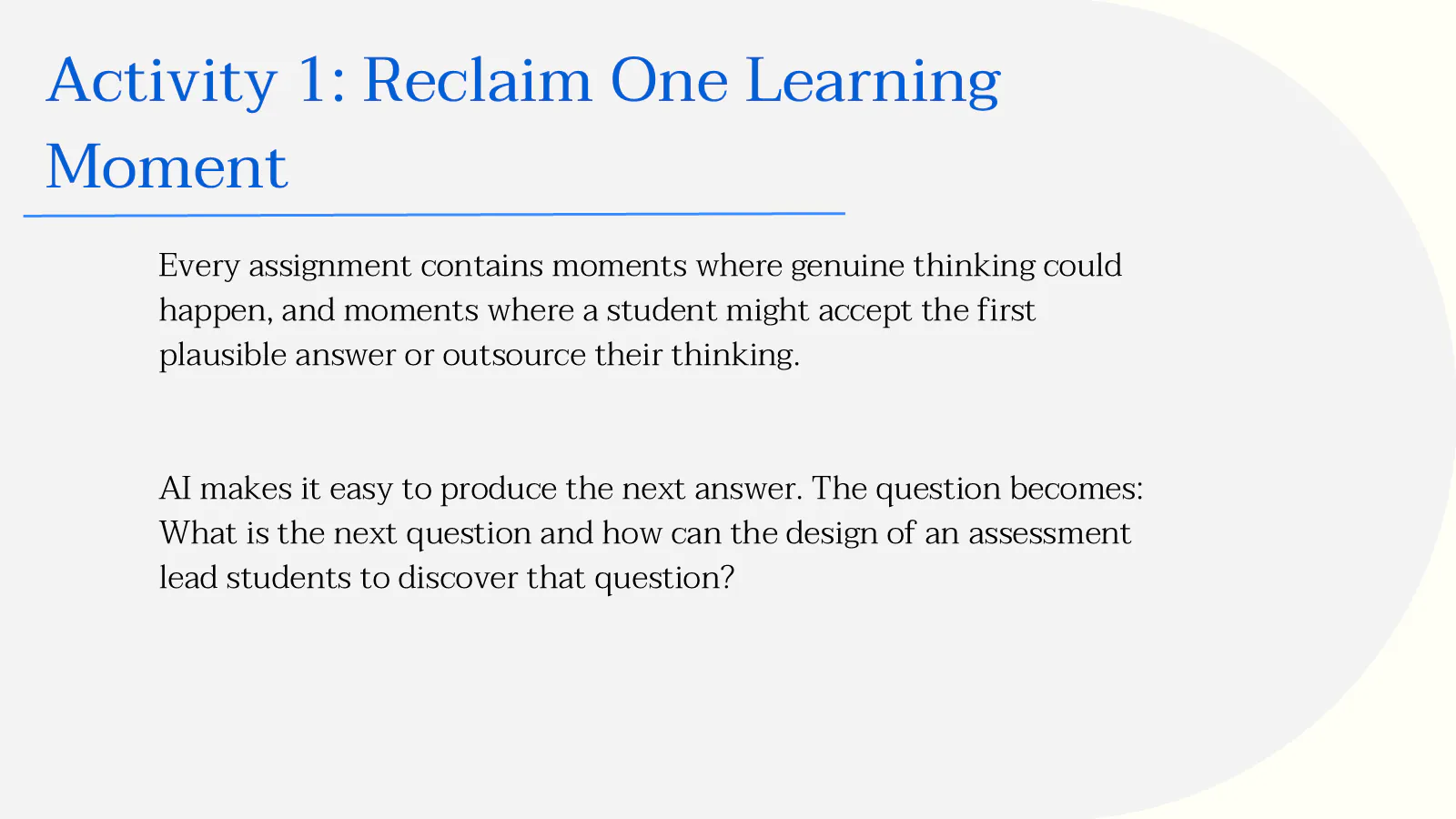
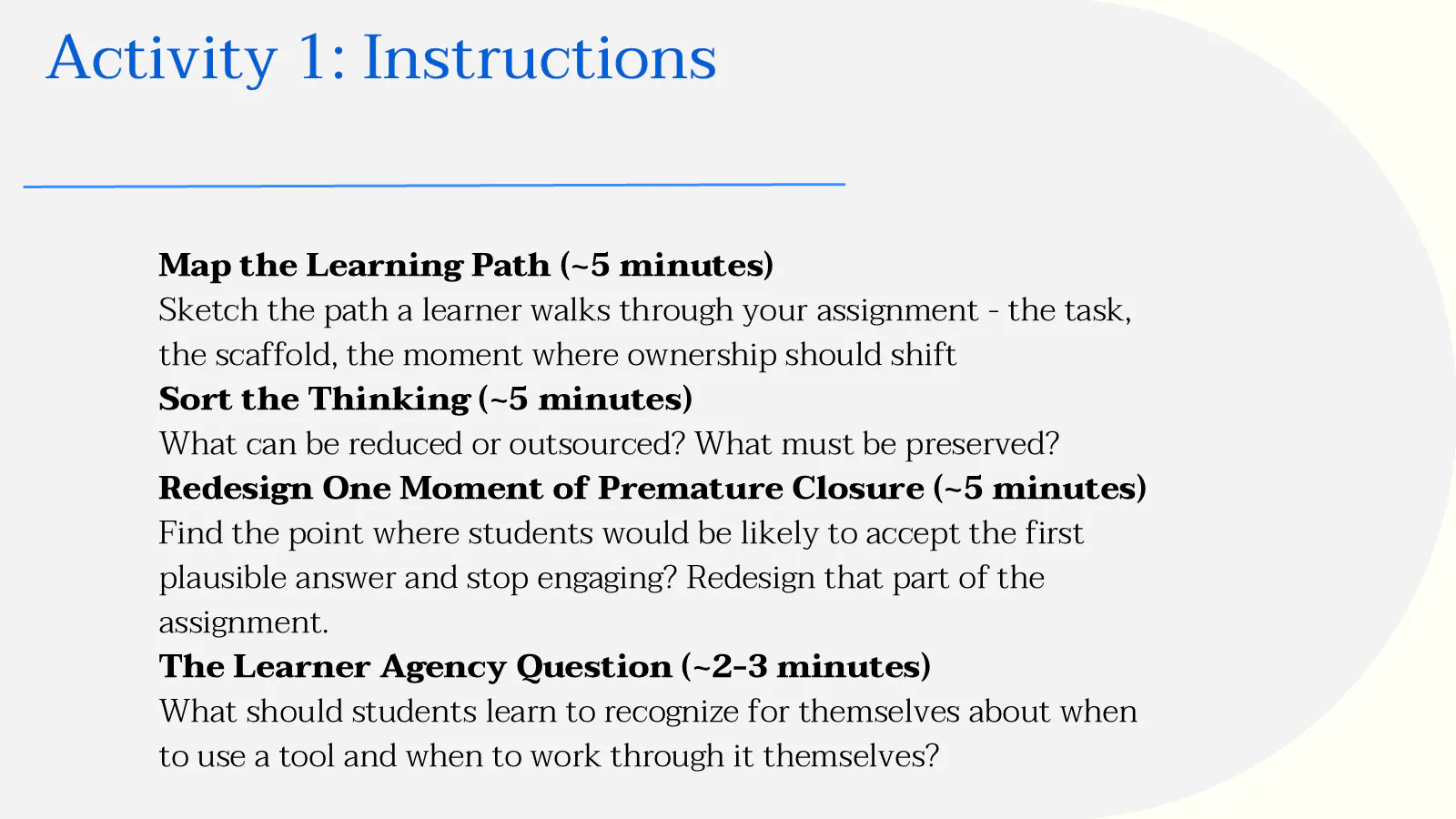
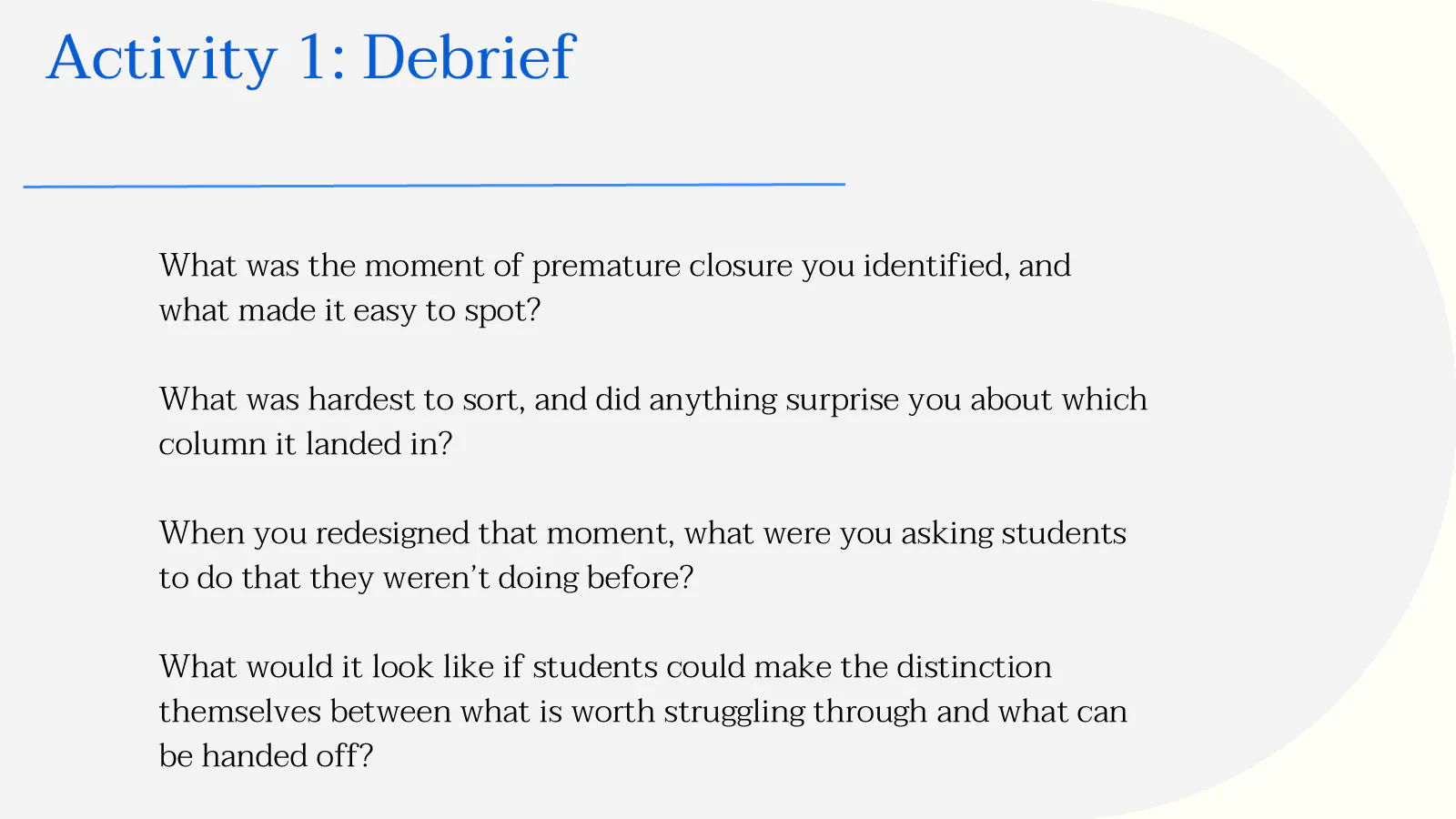
“Reclaiming the Next Question” was a 75-minute breakout session I co-presented with a colleague at the University of New England’s CETL Symposium in May 2026. We opened by asking faculty where, in their own courses, students most often surrender the next question.
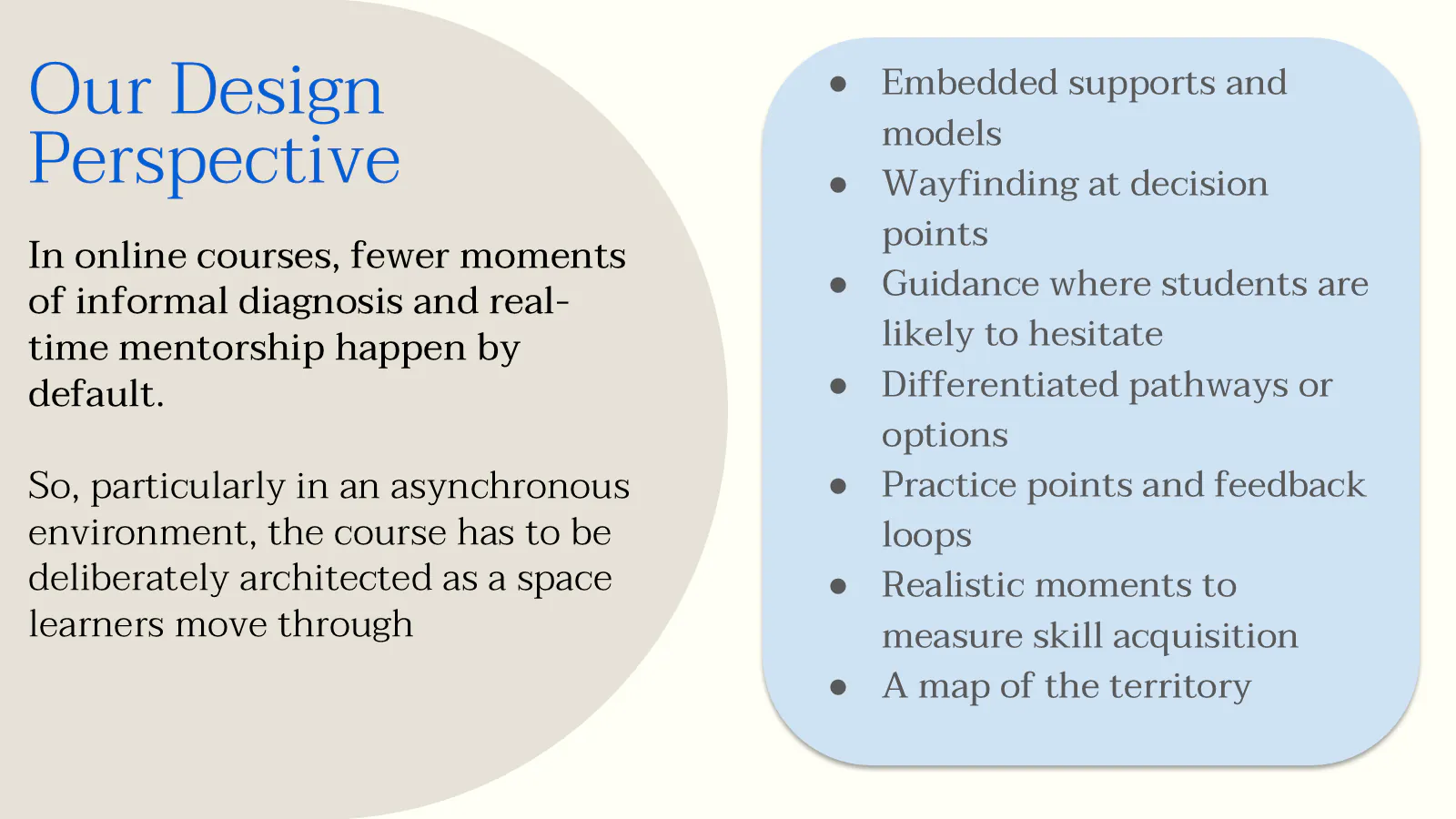
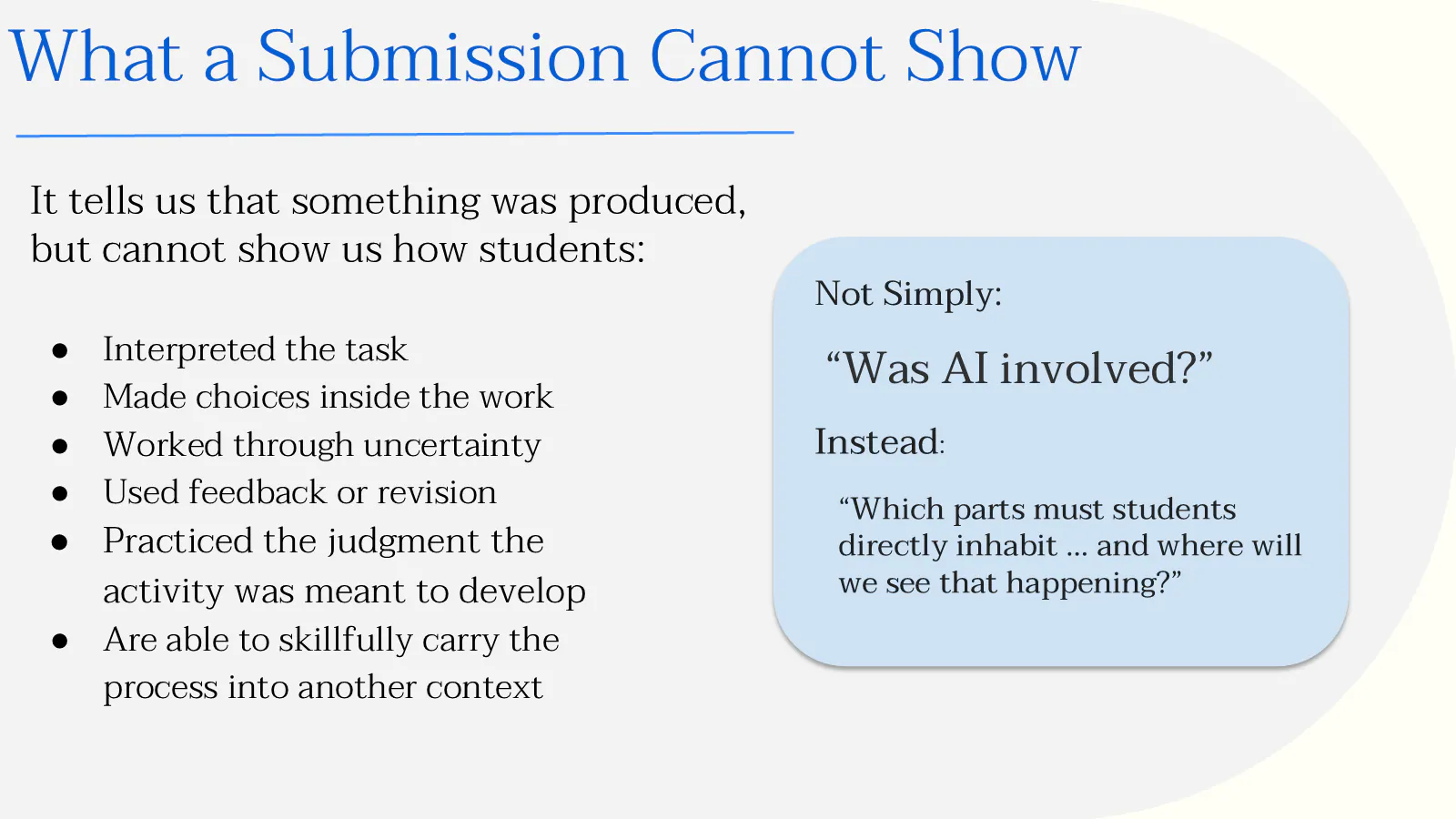
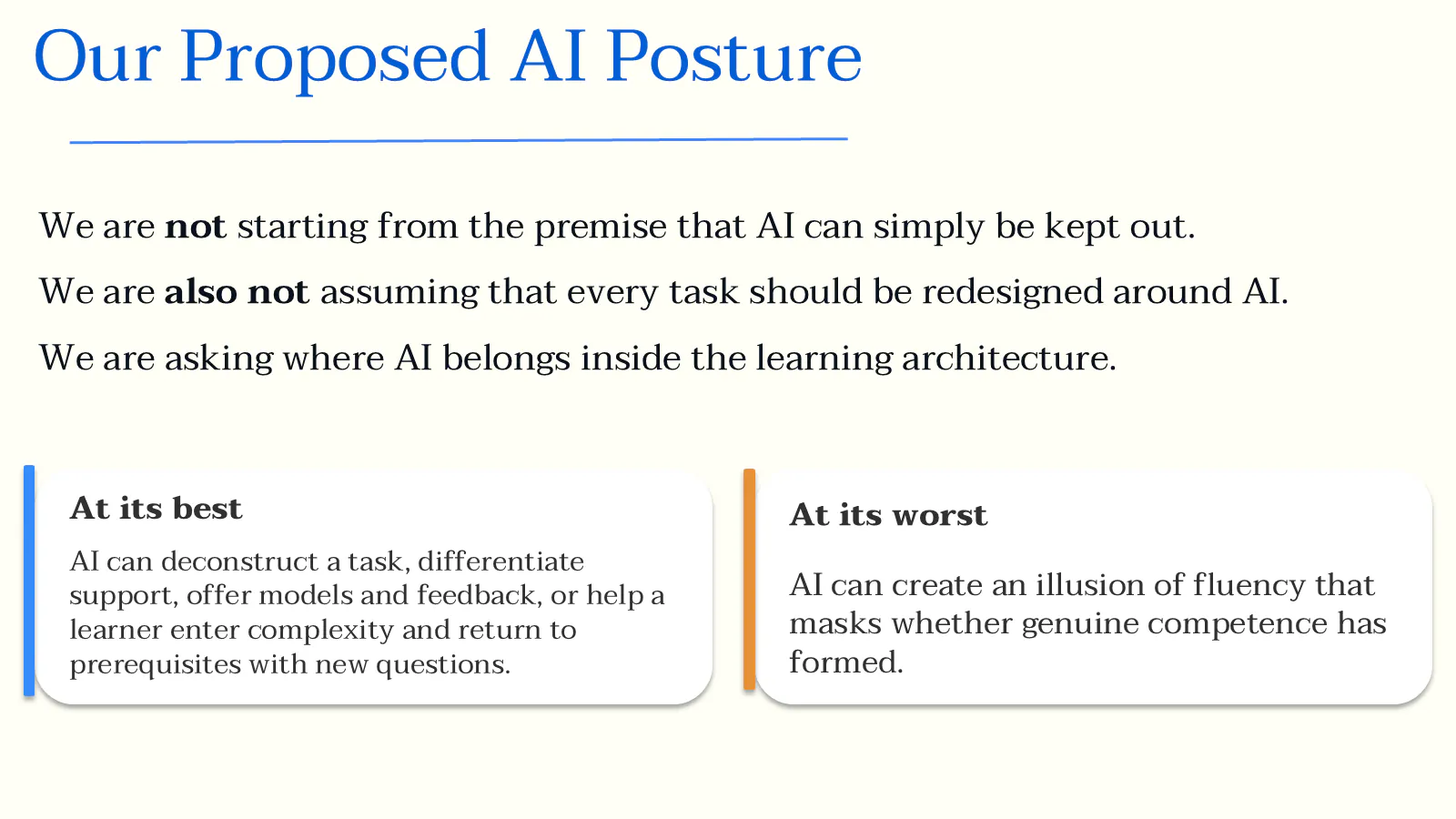
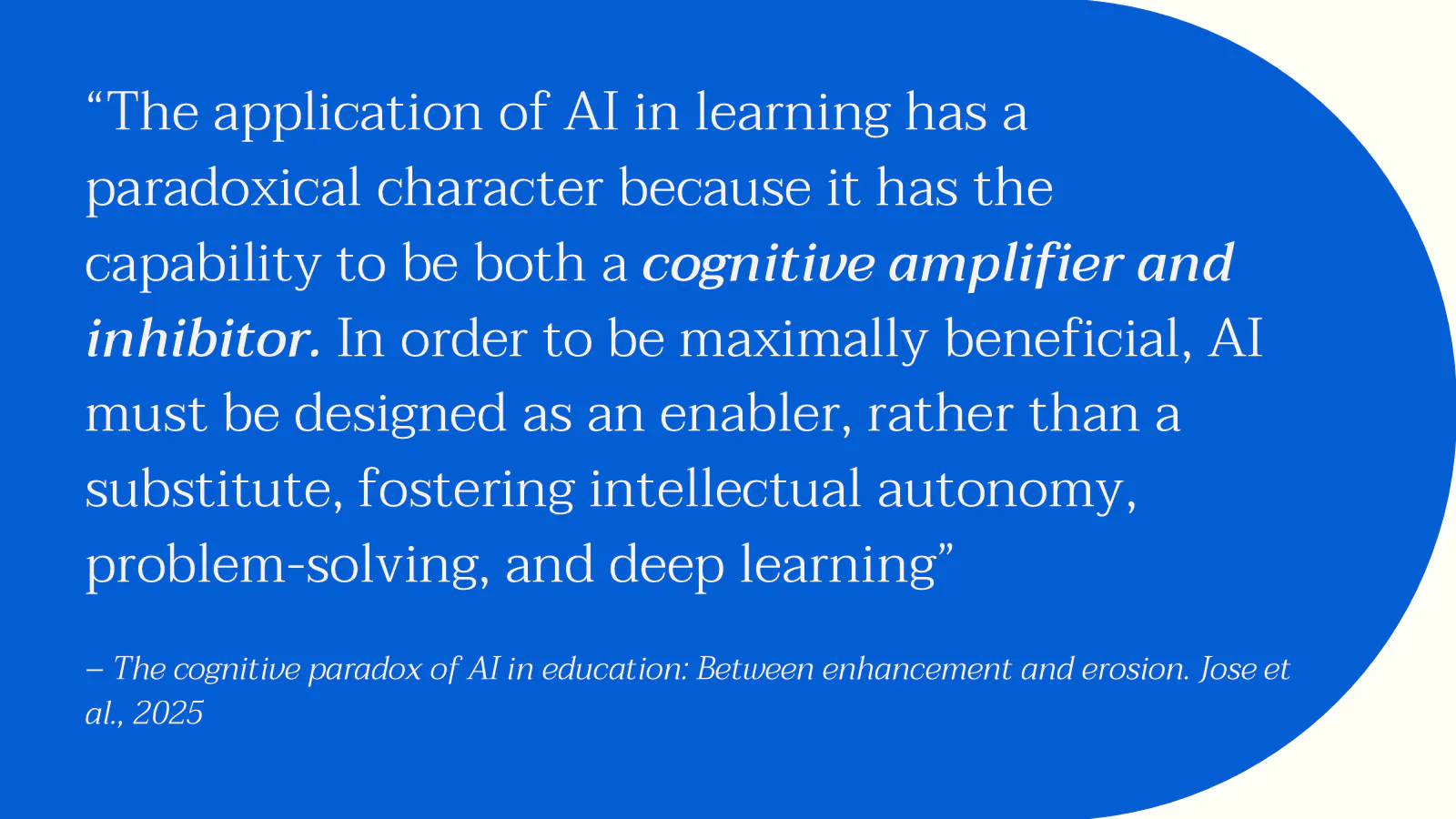
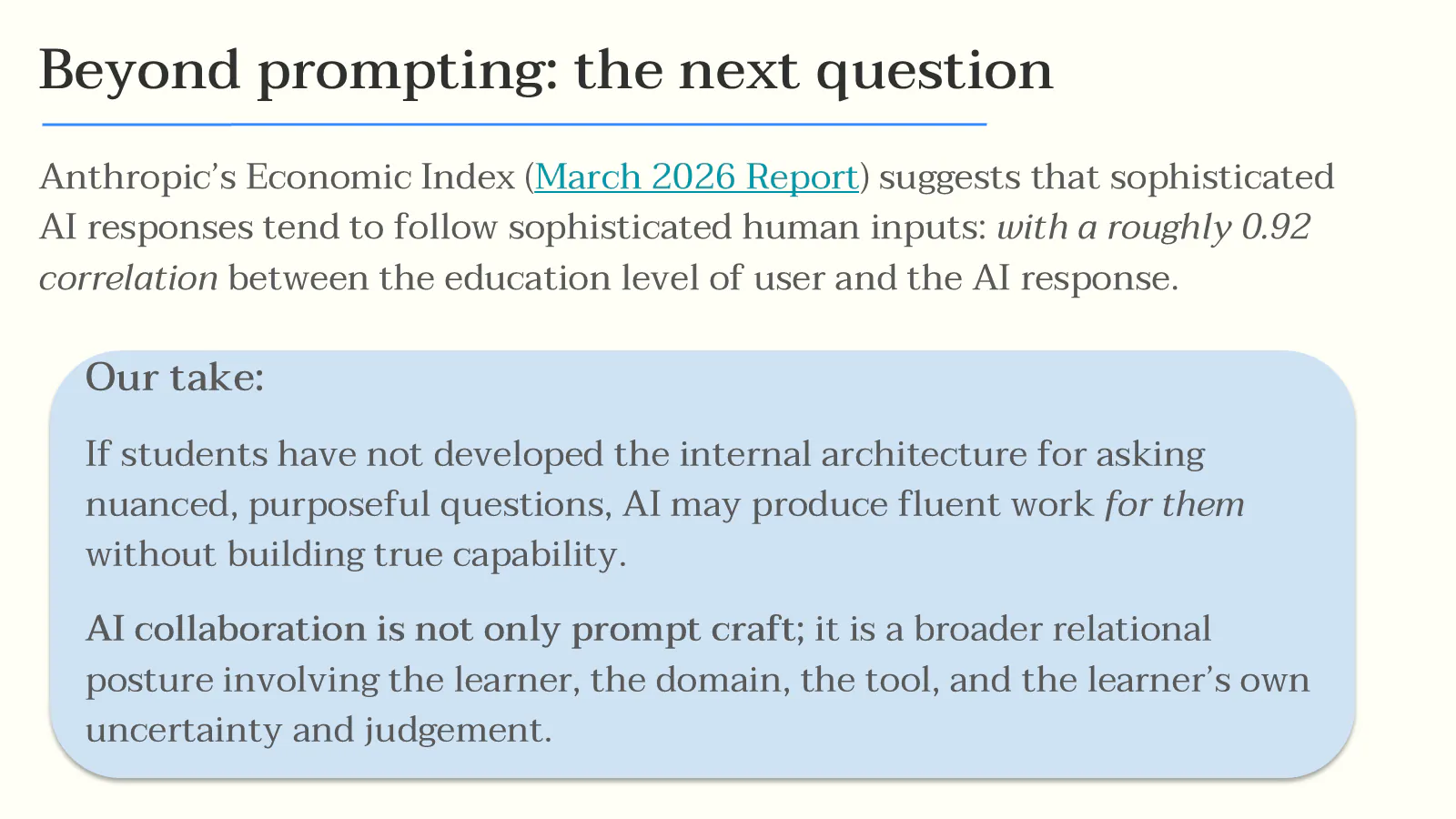
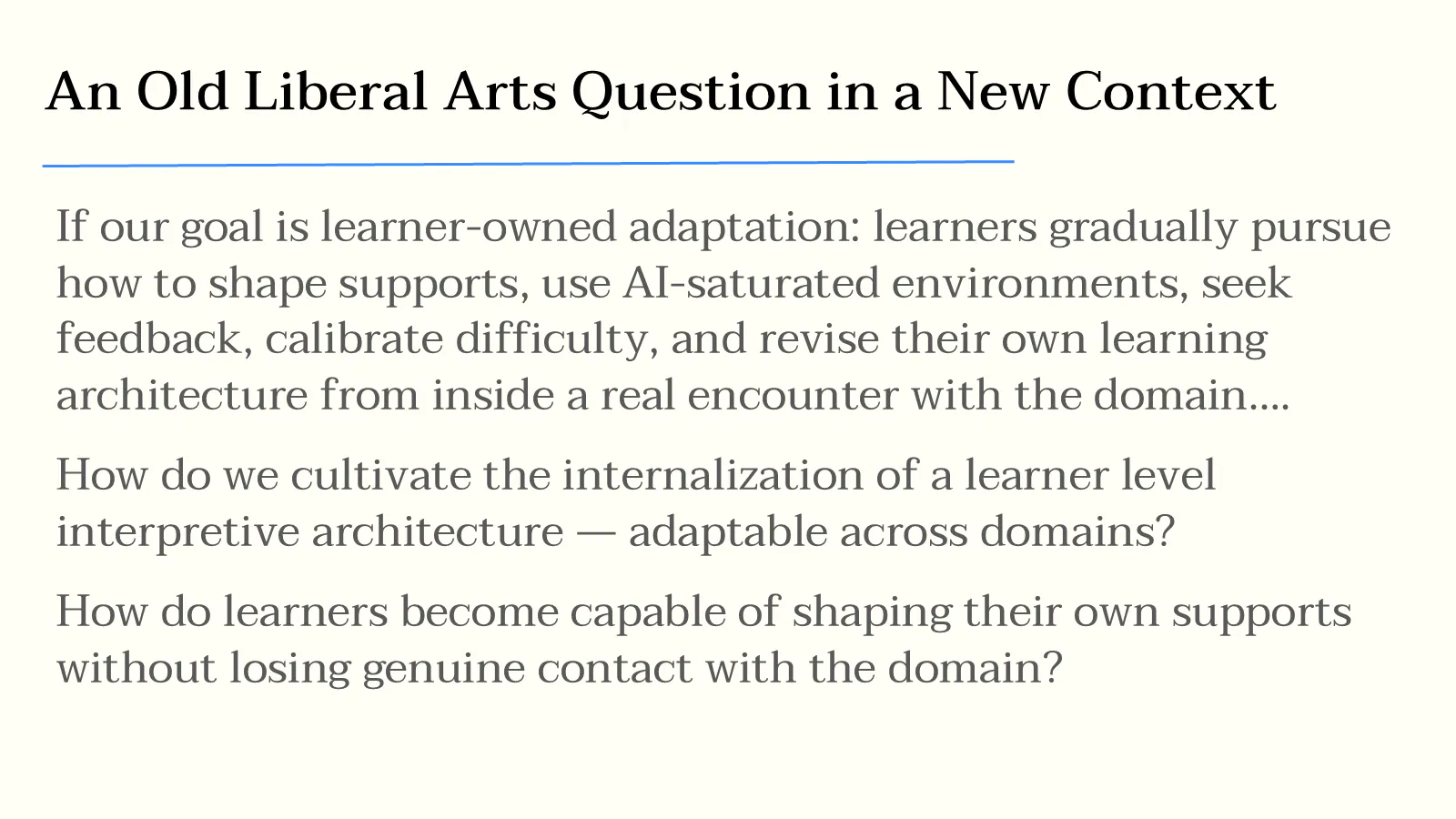
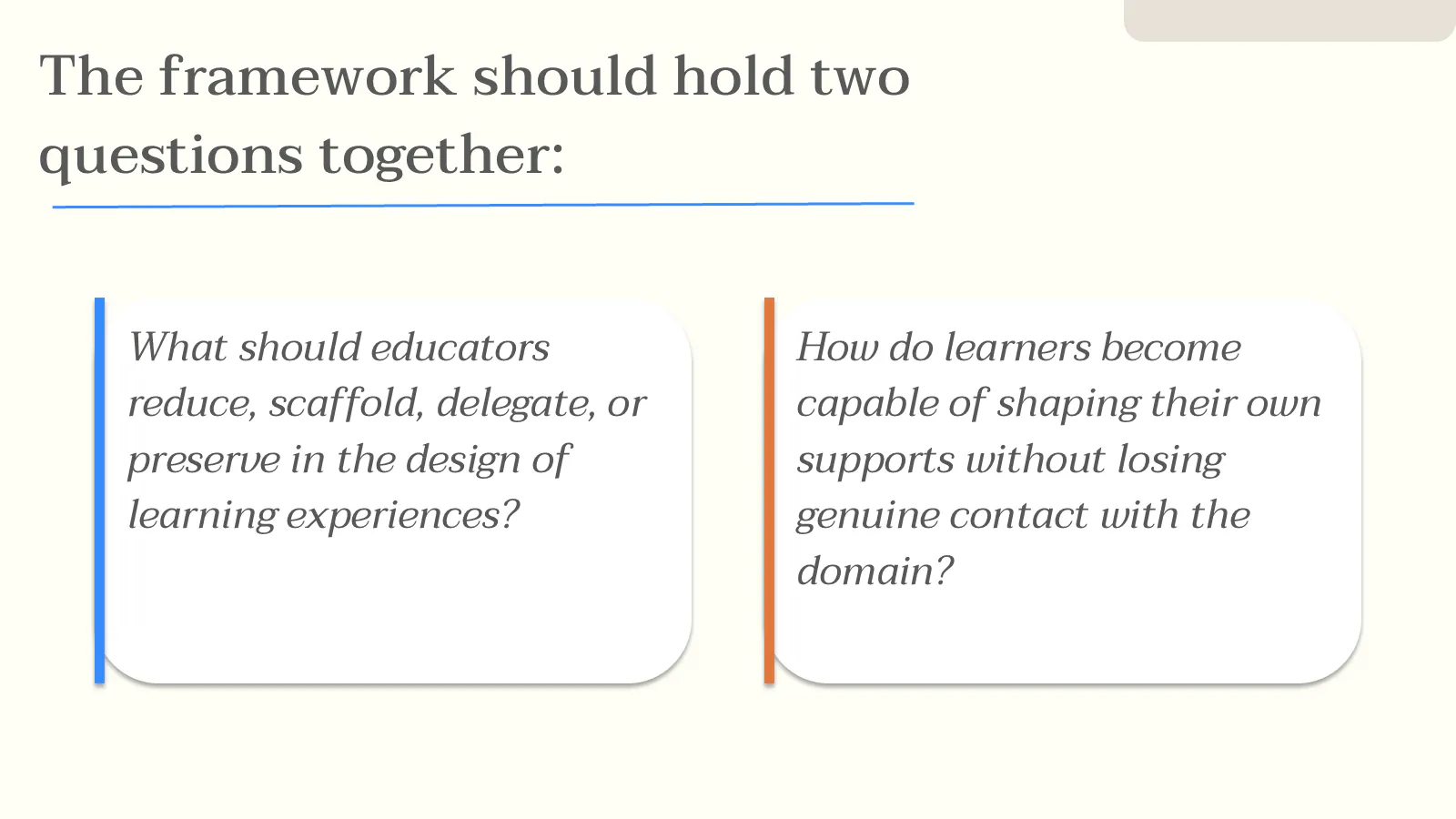
Our argument was that AI in teaching is neither a detection problem nor a reason to put AI everywhere. A finished submission shows that something was produced. It does not show how the student interpreted the task, made choices inside the work, worked through uncertainty, or could carry the process into another context. So the question we put to the room was which parts of a learning experience students must still inhabit directly, and where an instructor will see that happening.
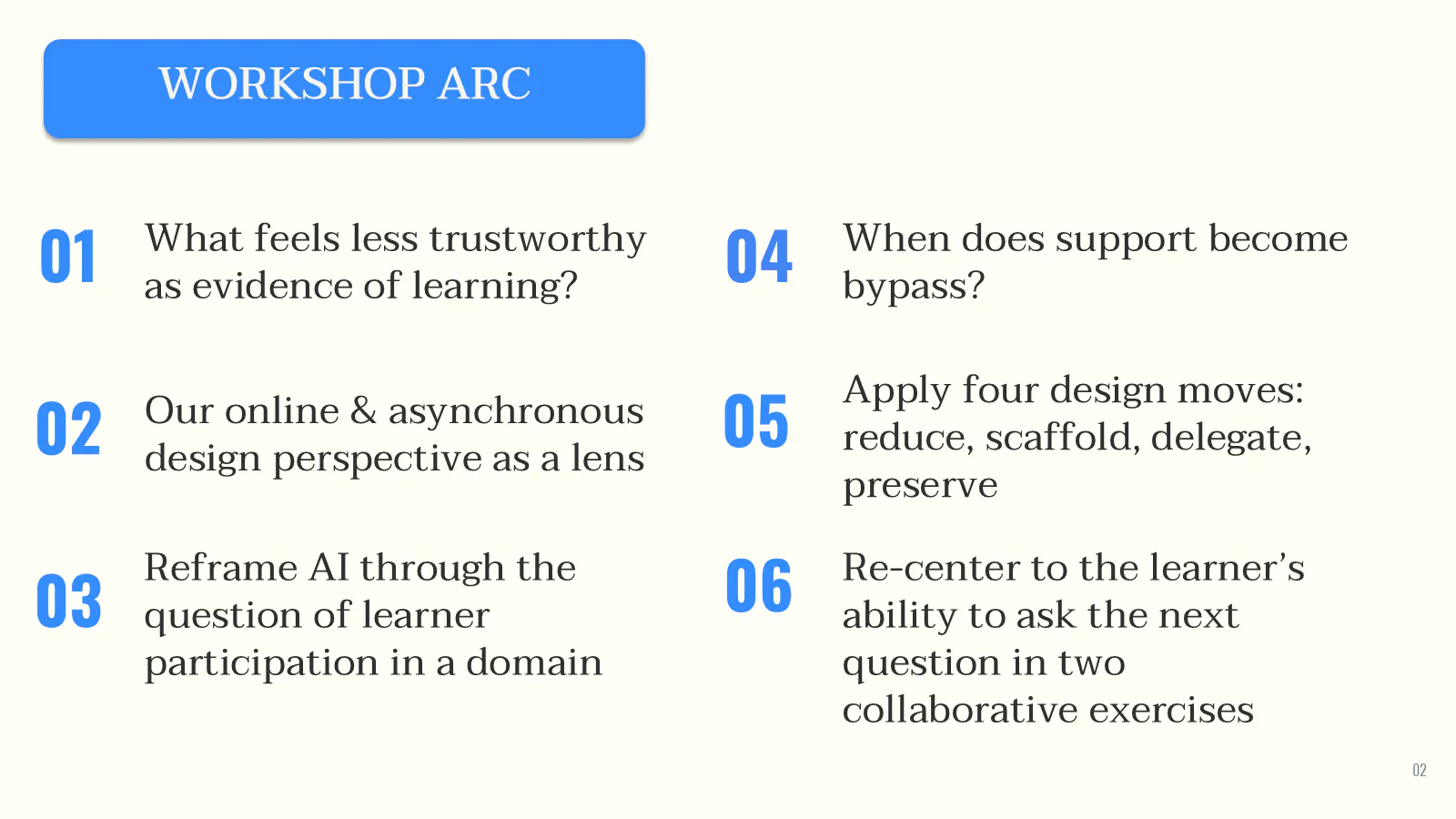
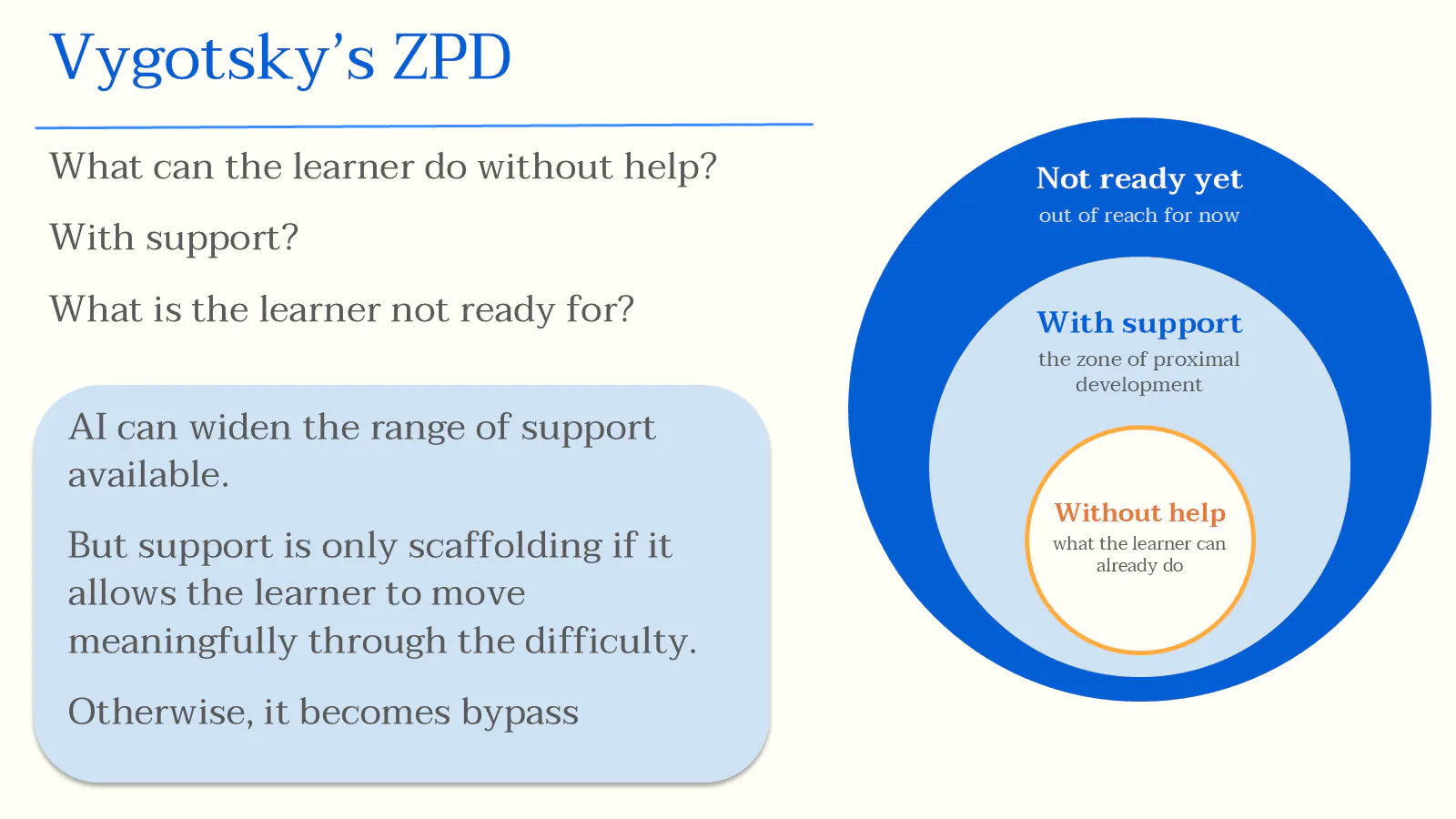
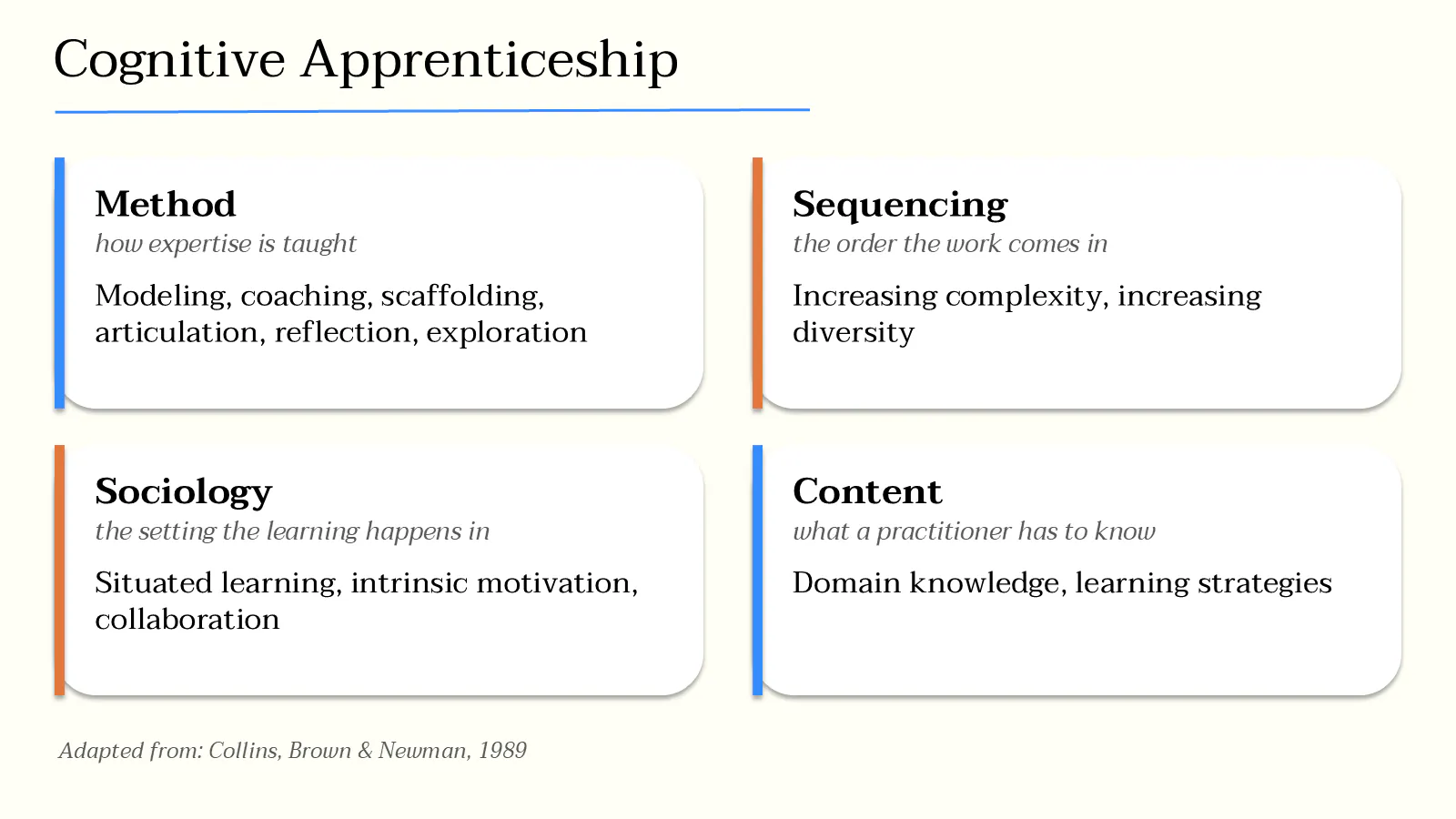
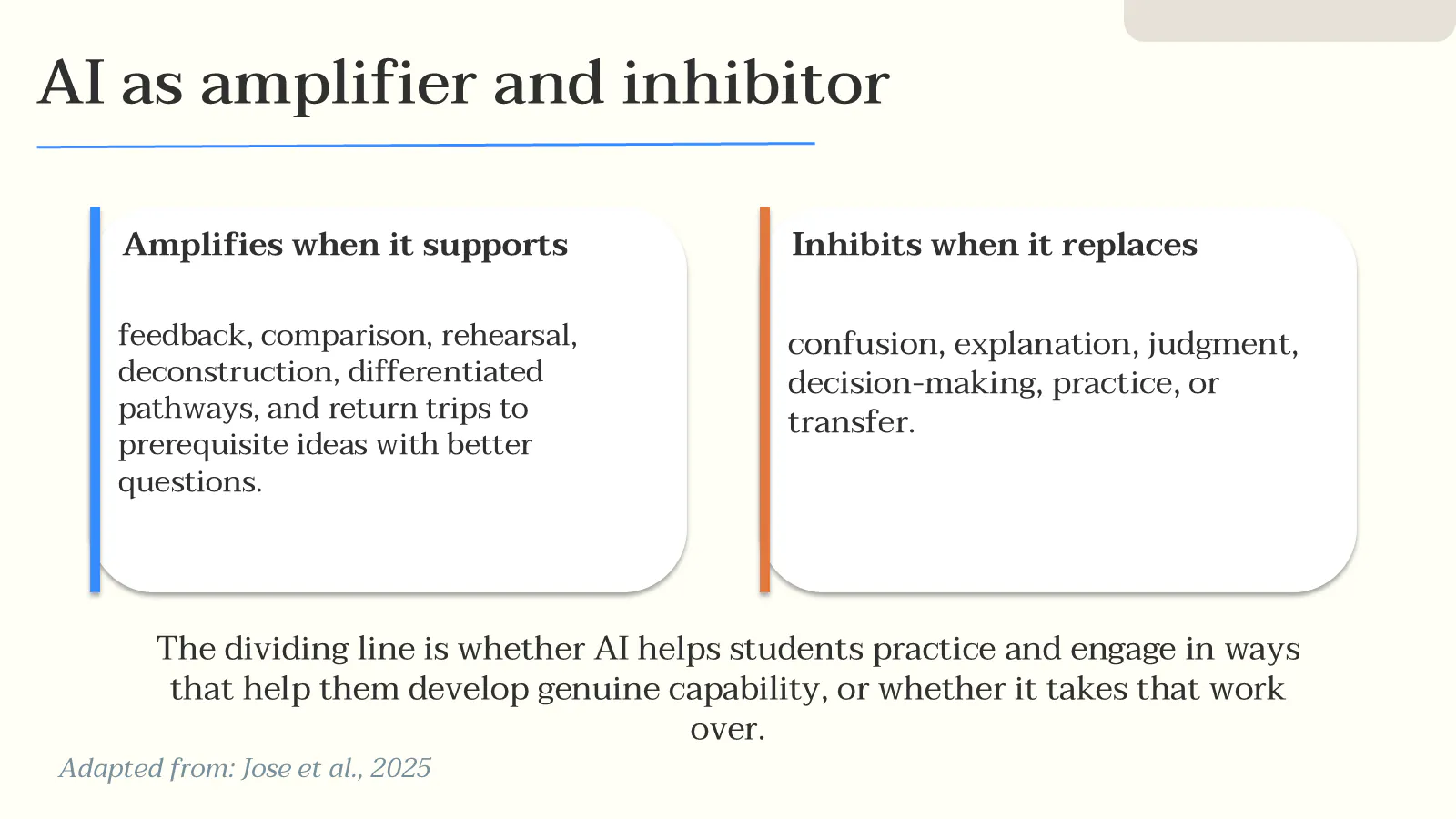
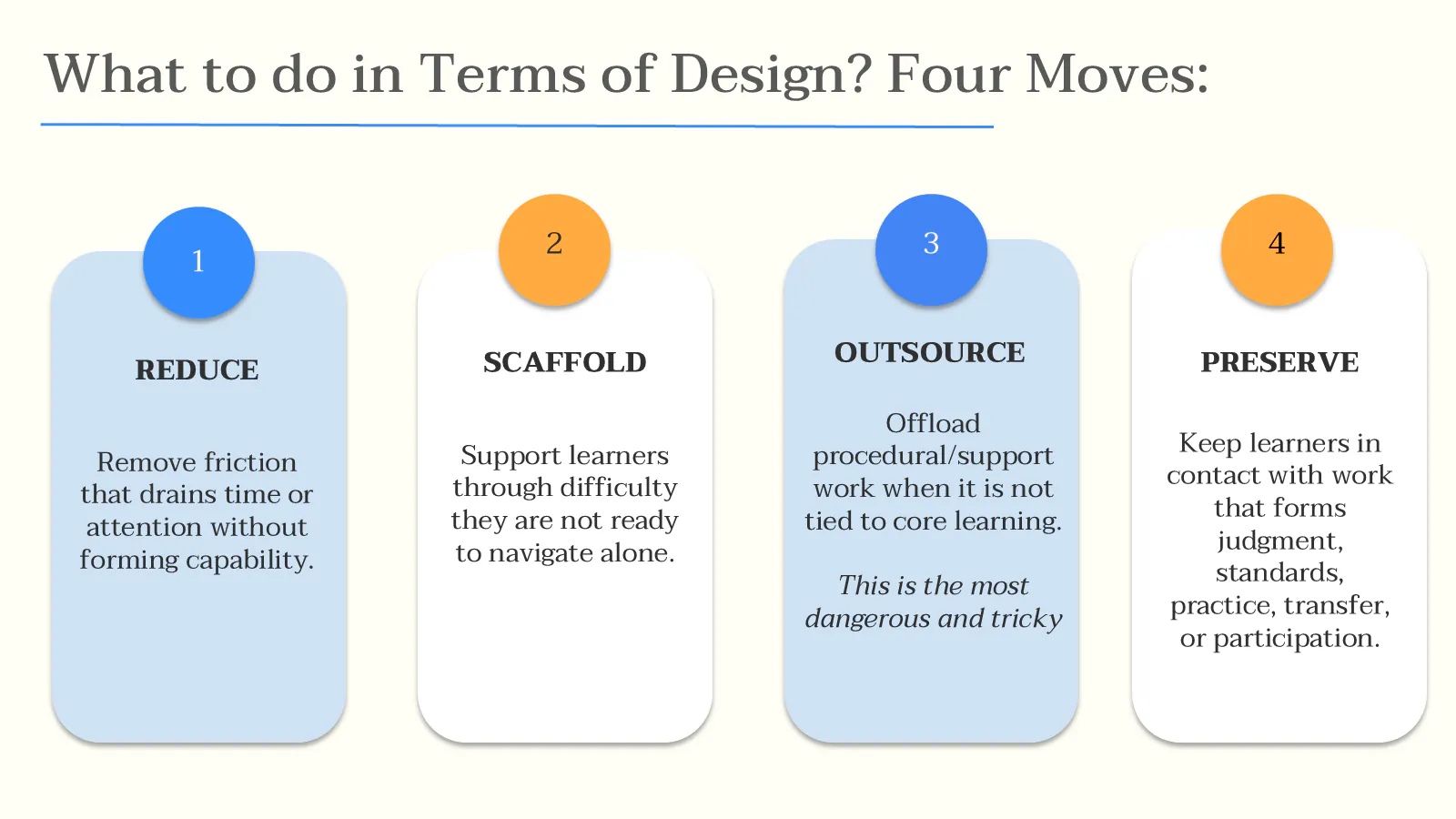
We used Vygotsky’s zone of proximal development and cognitive apprenticeship to tell support from bypass, then offered four design moves: reduce, scaffold, delegate, and preserve. Participants applied them twice. First they took an assignment of their own and redesigned one moment where students tend to accept the first plausible answer. Then they planned how they would learn a skill outside their own field, to see the problem from the learner’s side.
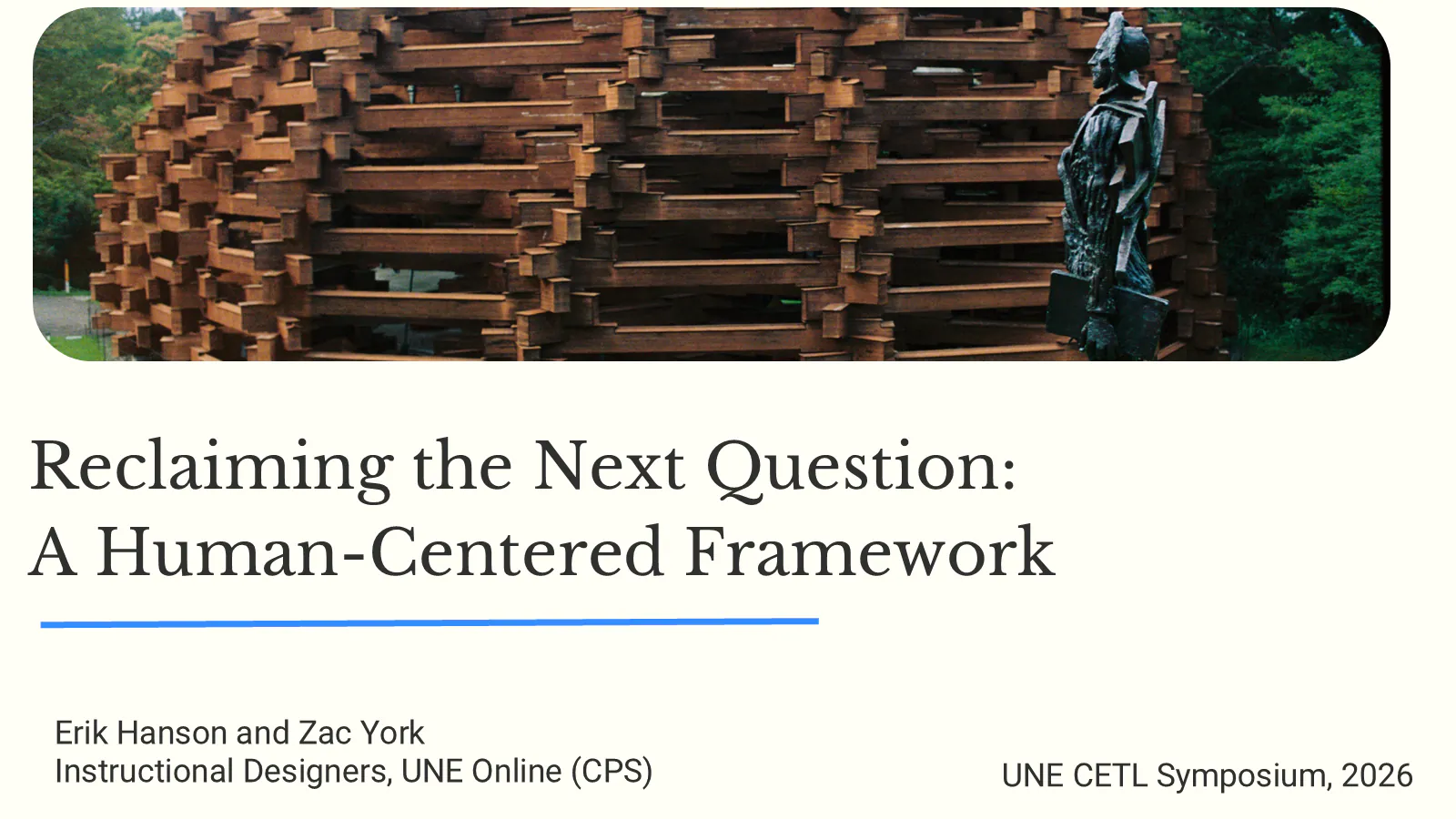
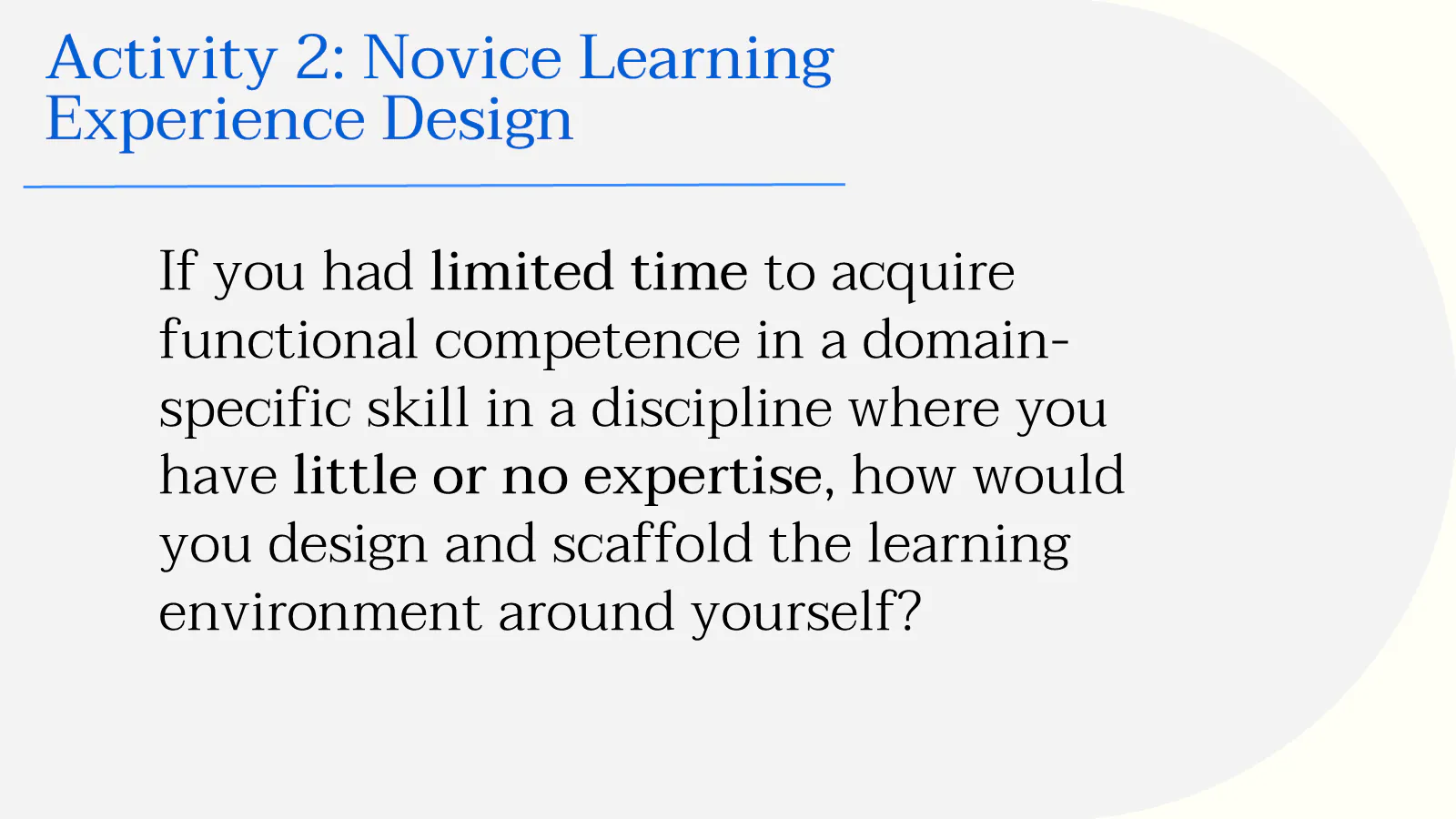
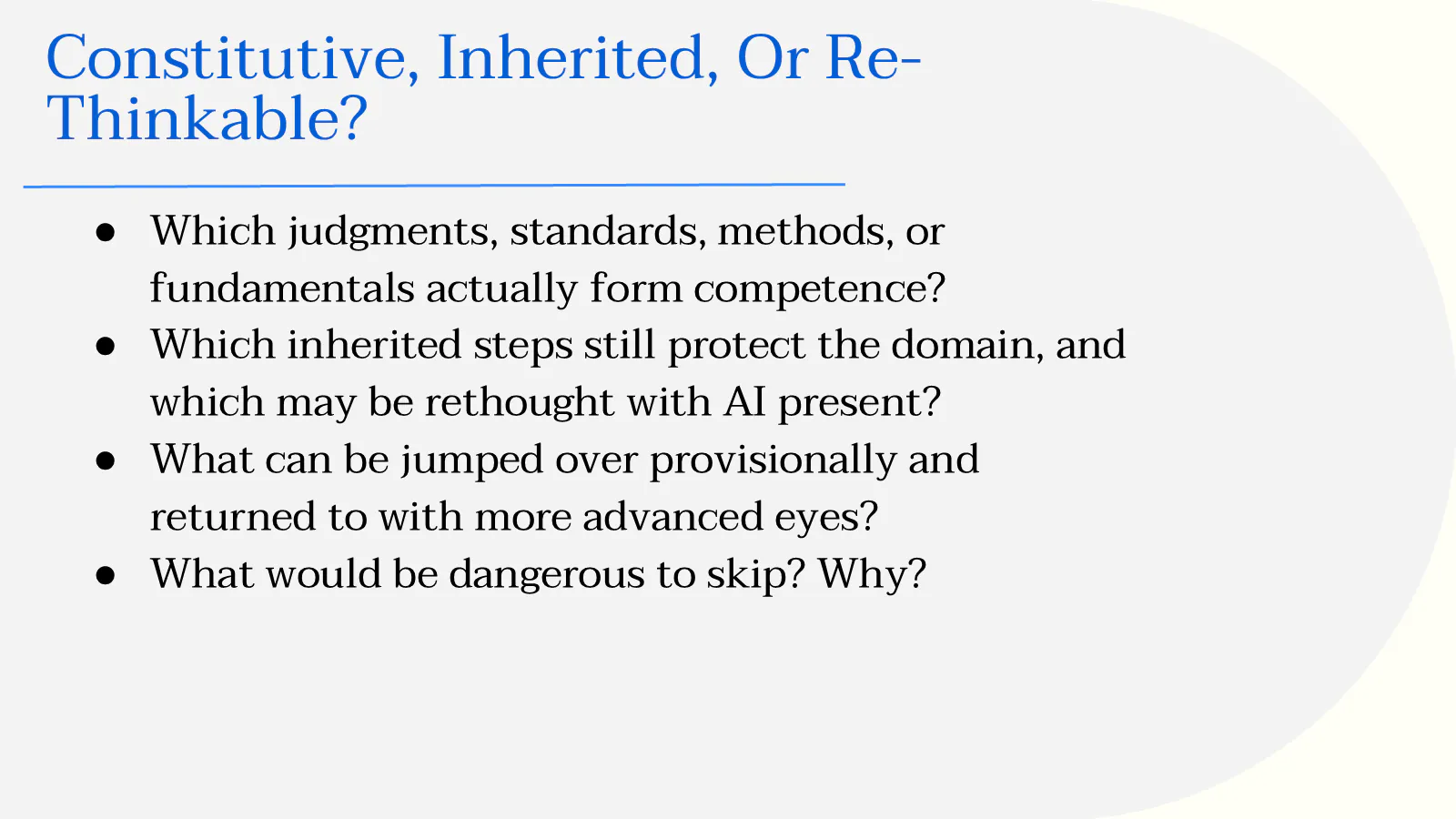
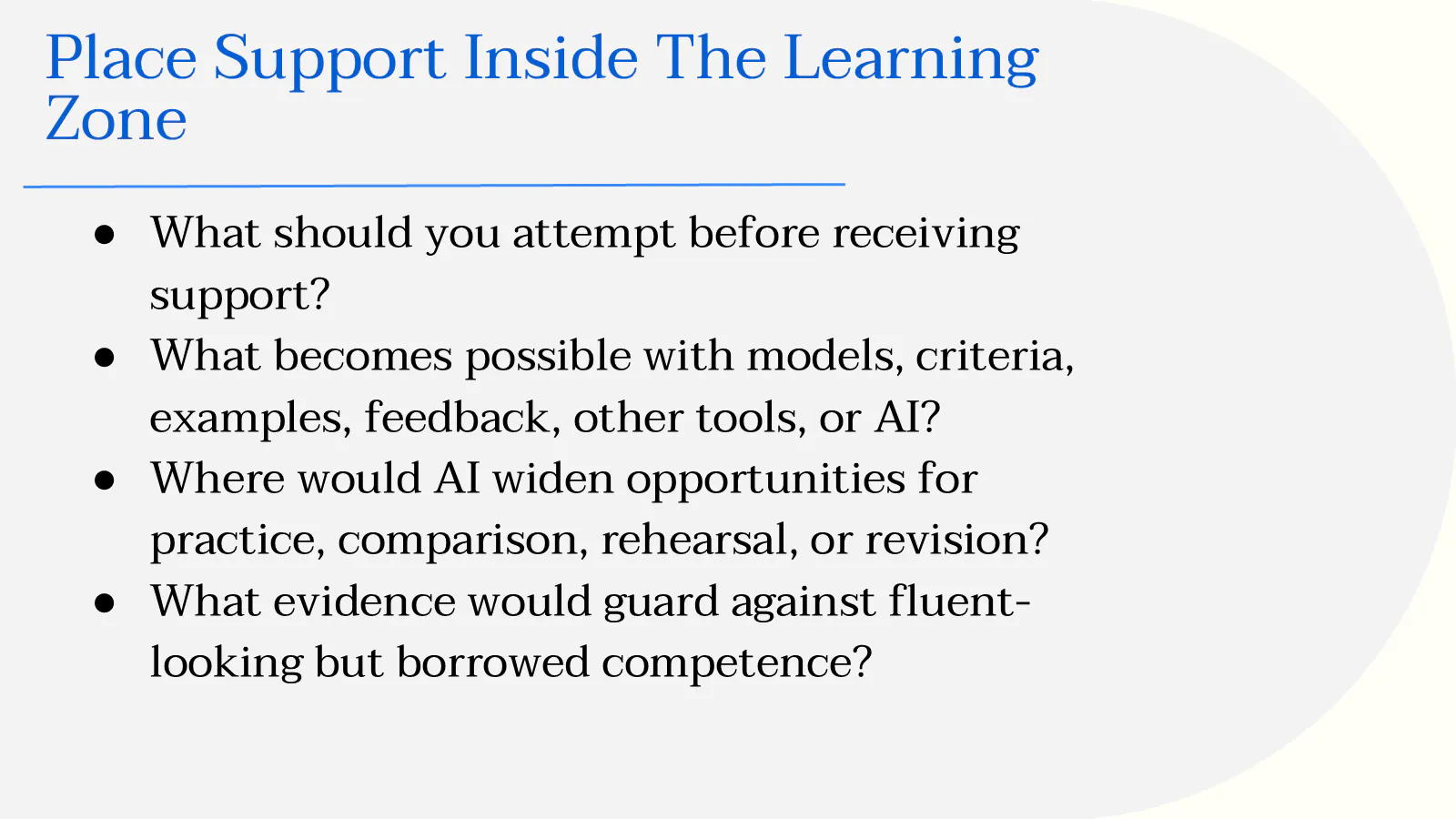
Title photograph by Erik Hanson, Hakone Open-Air Museum.
An Accelerated Learning Path Framework
NERCOMP workshop · College of the Holy Cross · Presenter
I presented this at NERCOMP’s workshop “Unlocking the Power of Generative AI in Higher Ed” at the College of the Holy Cross. The framework breaks a skill into micro-skills and pairs each with a micro-project and an AI feedback loop, with visual progress markers along the way.
The framework is free and open source, and it has a companion reference guide of prompt templates. Both are public Notion pages:
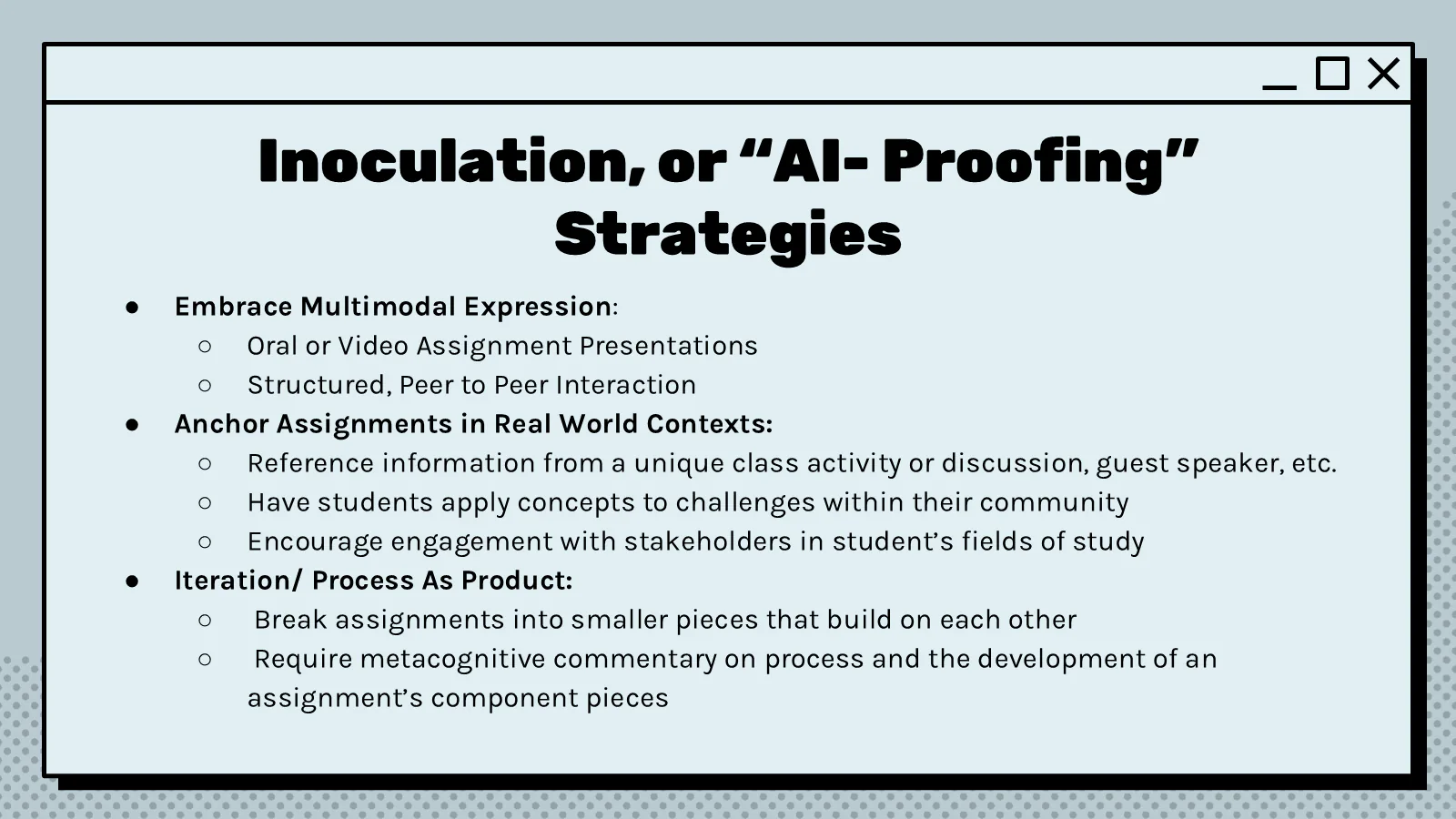
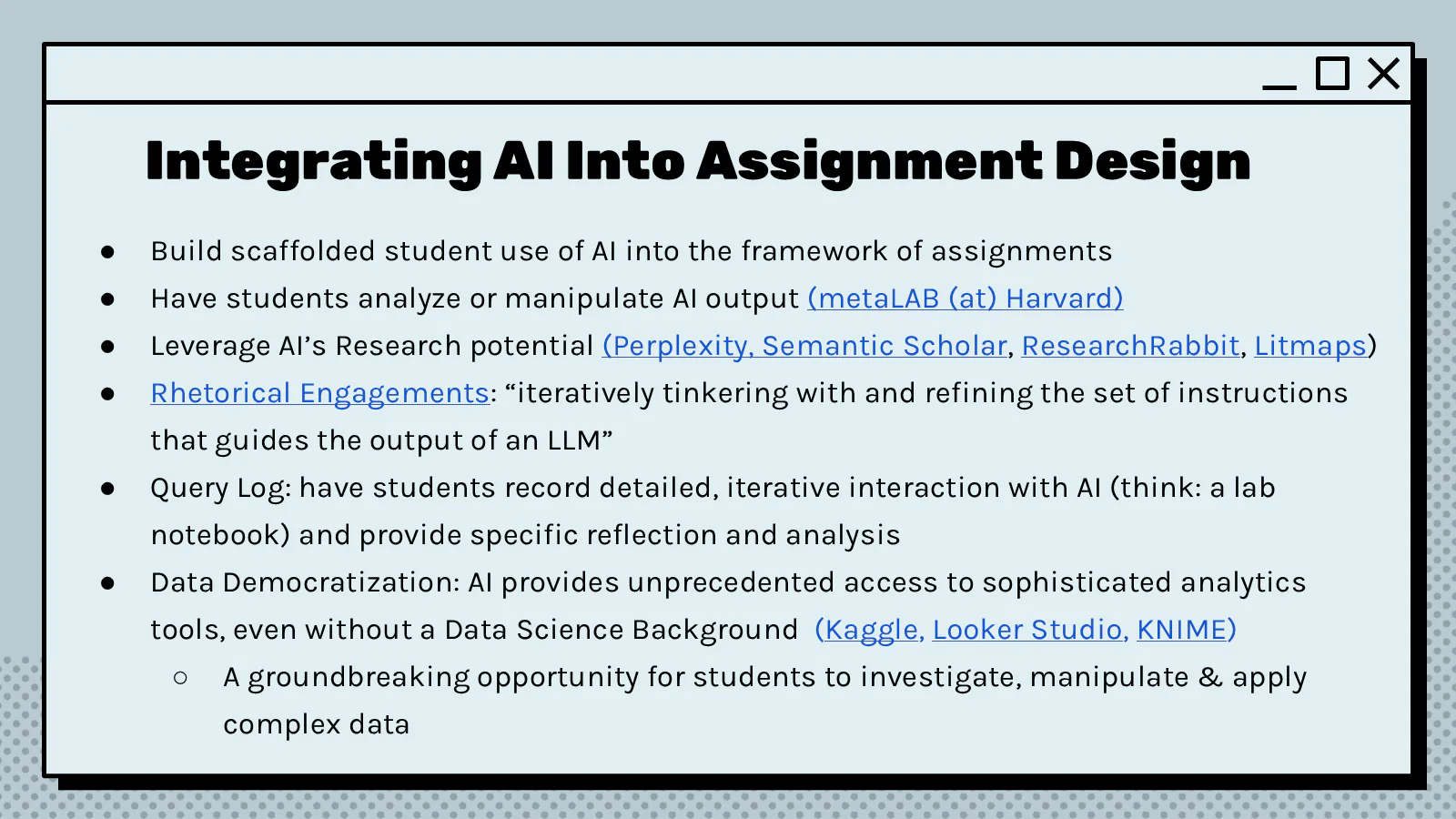
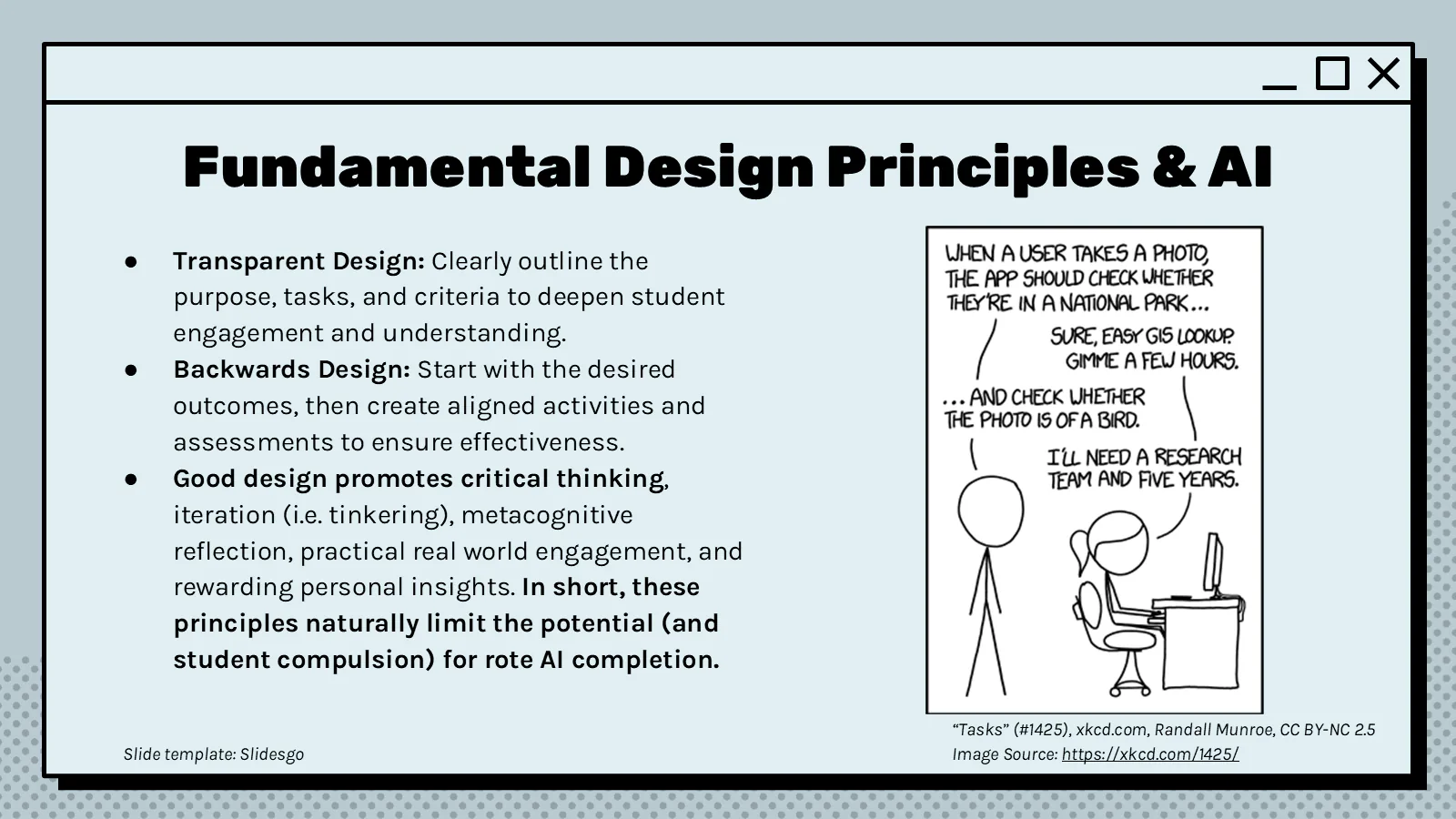
Adapting Assignments in an AI Context
UNE CETL Symposium · Presenter · My section of the session “3 Ways You Can Use AI as Your Course-Building Assistant,” co-presented with two other instructional designers
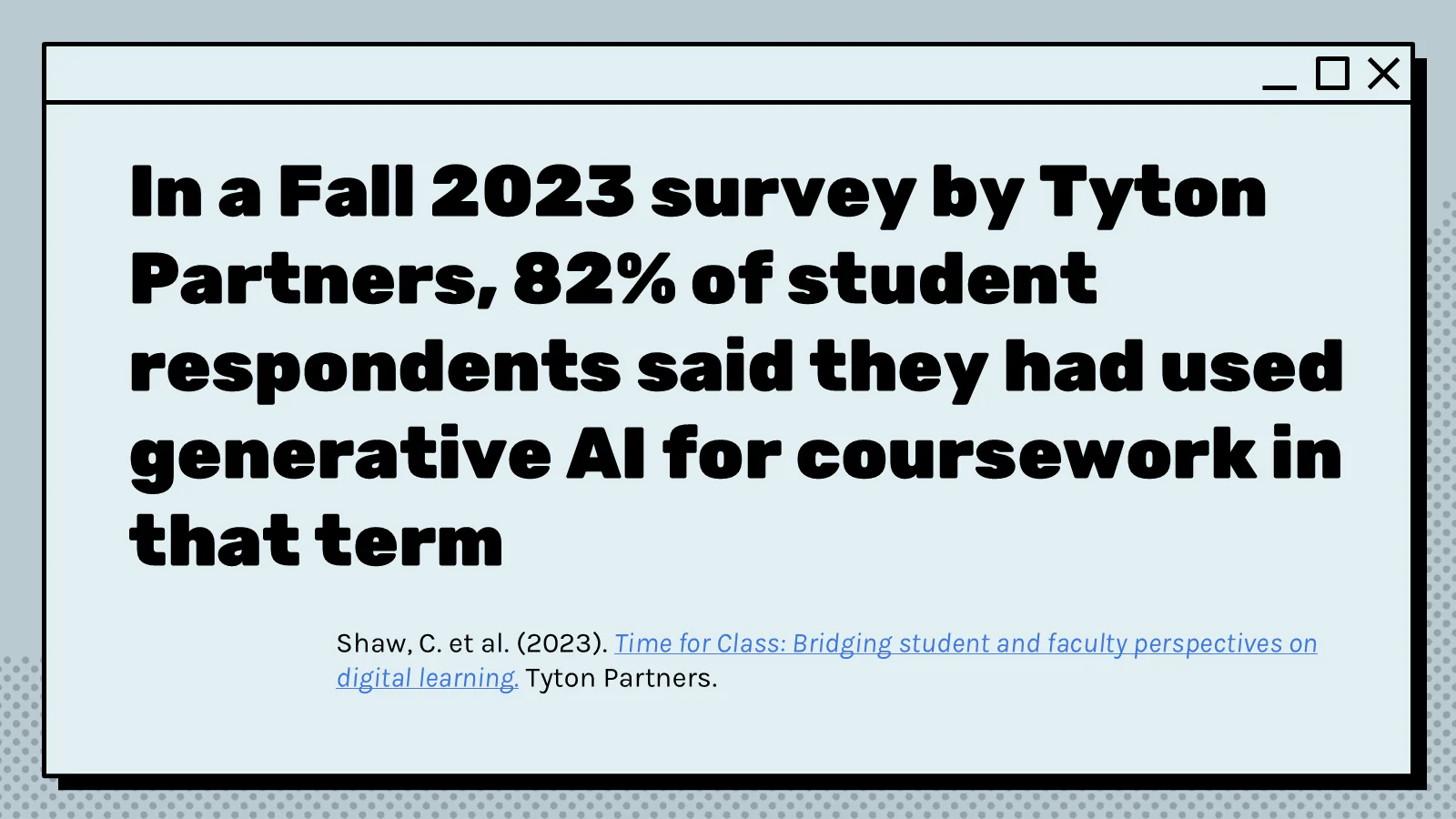
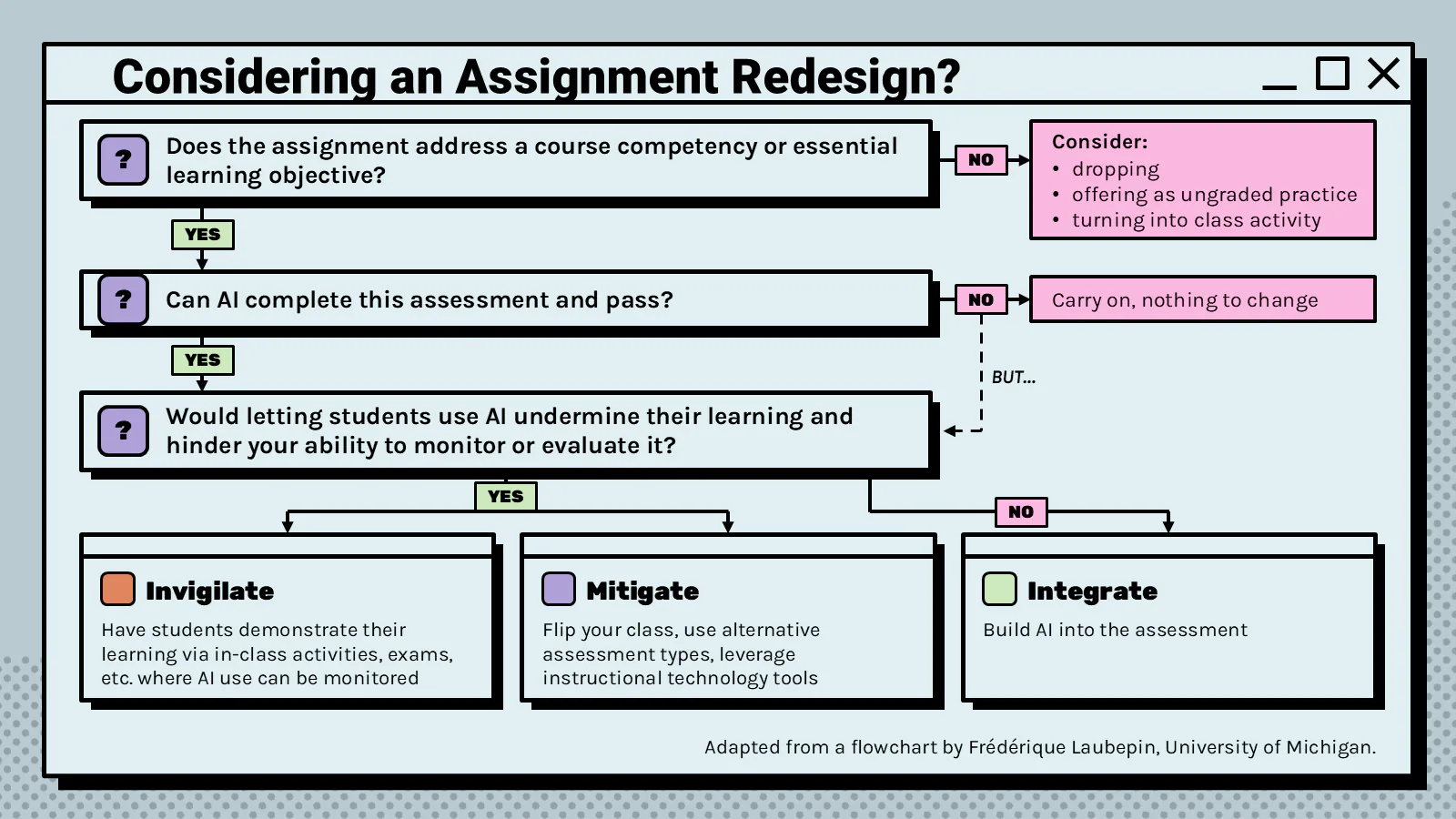
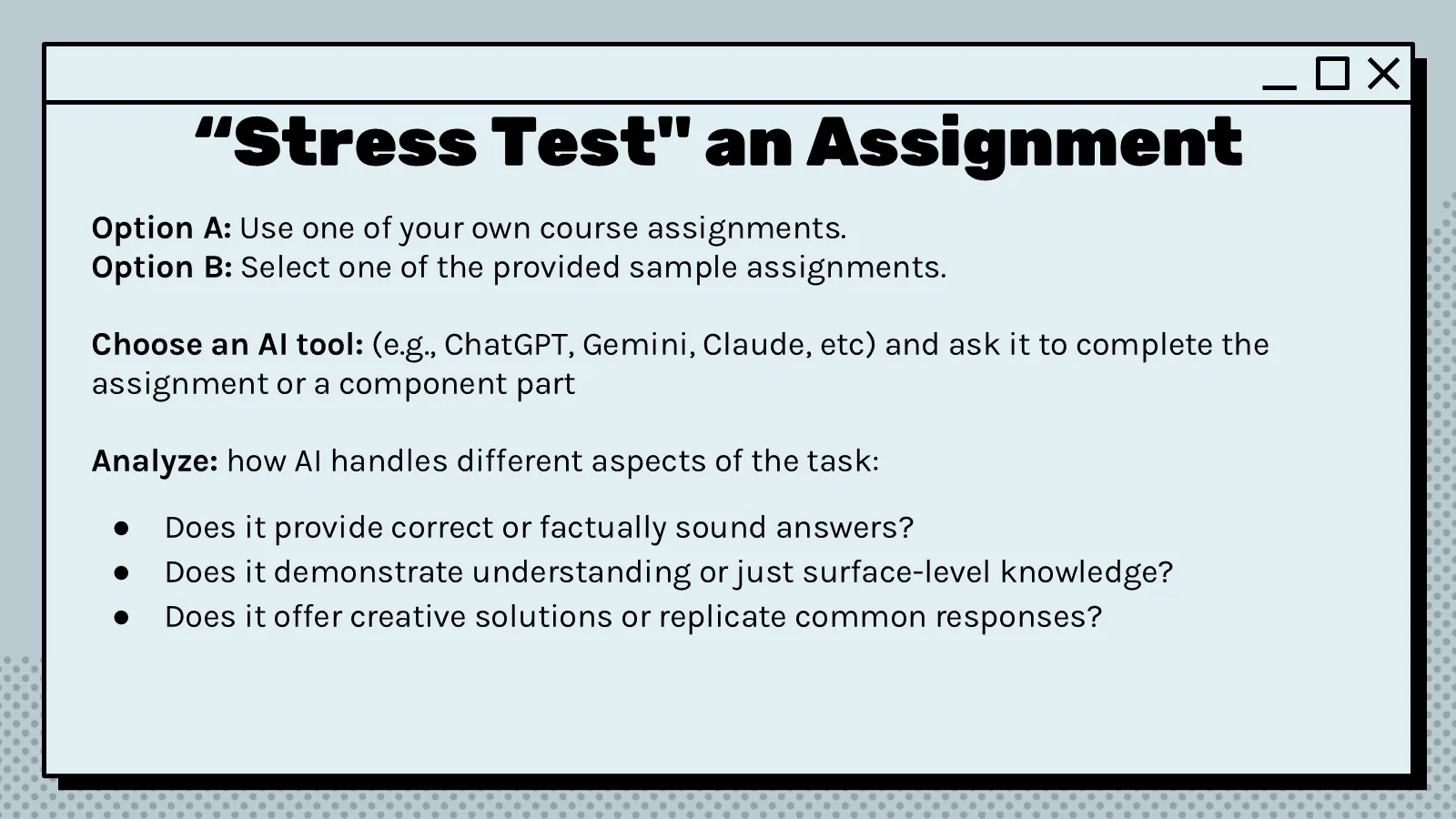
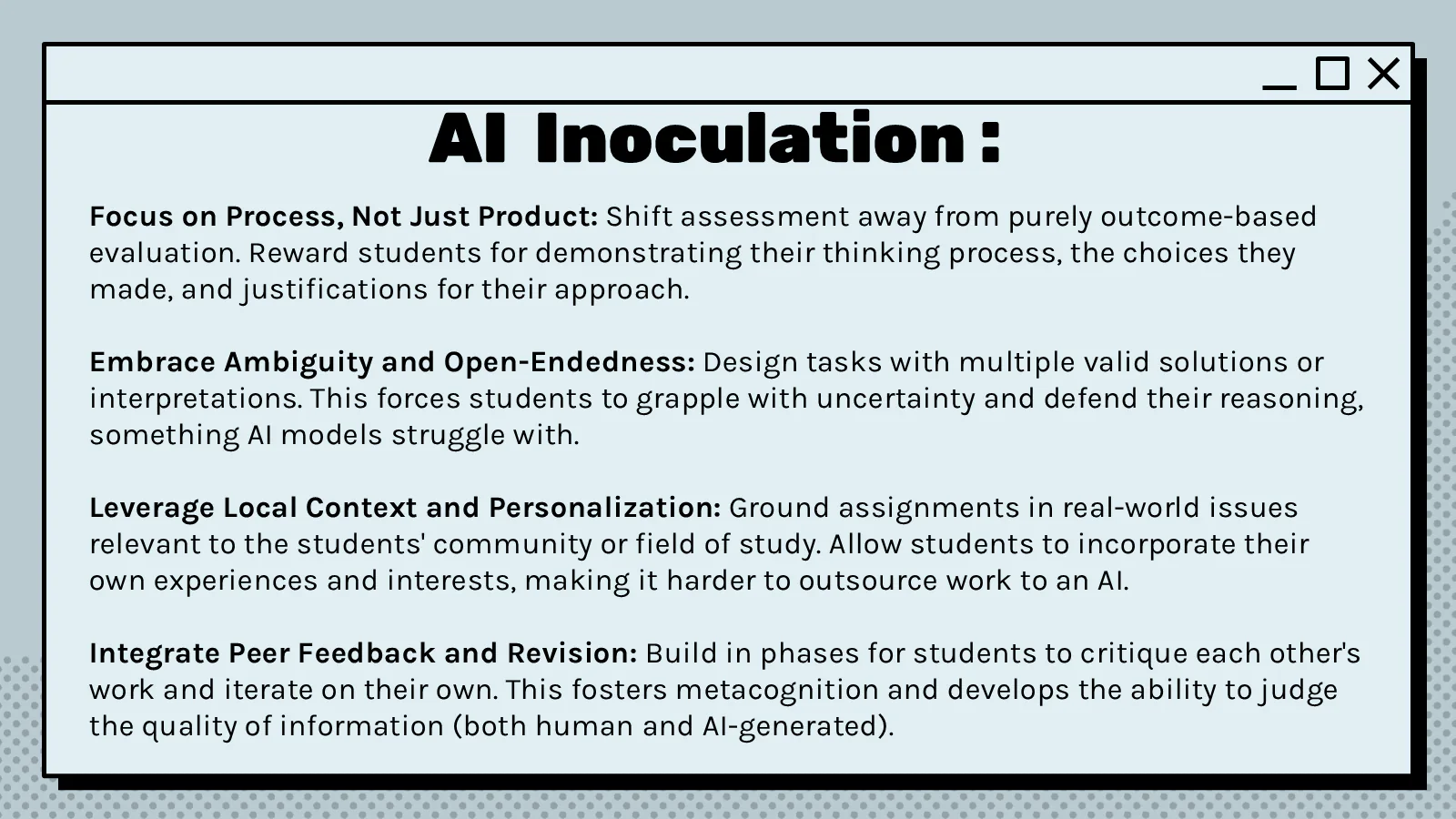
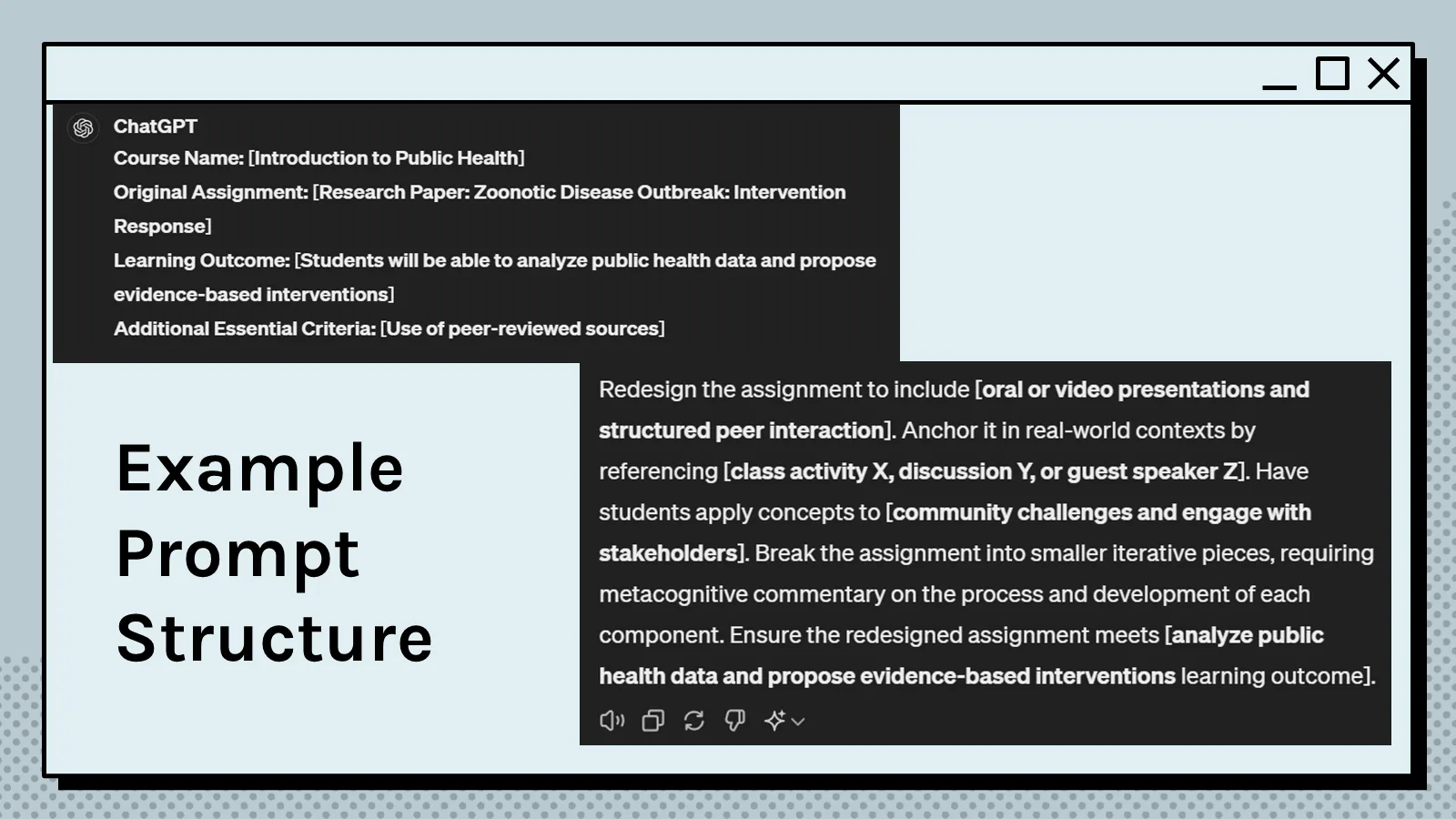
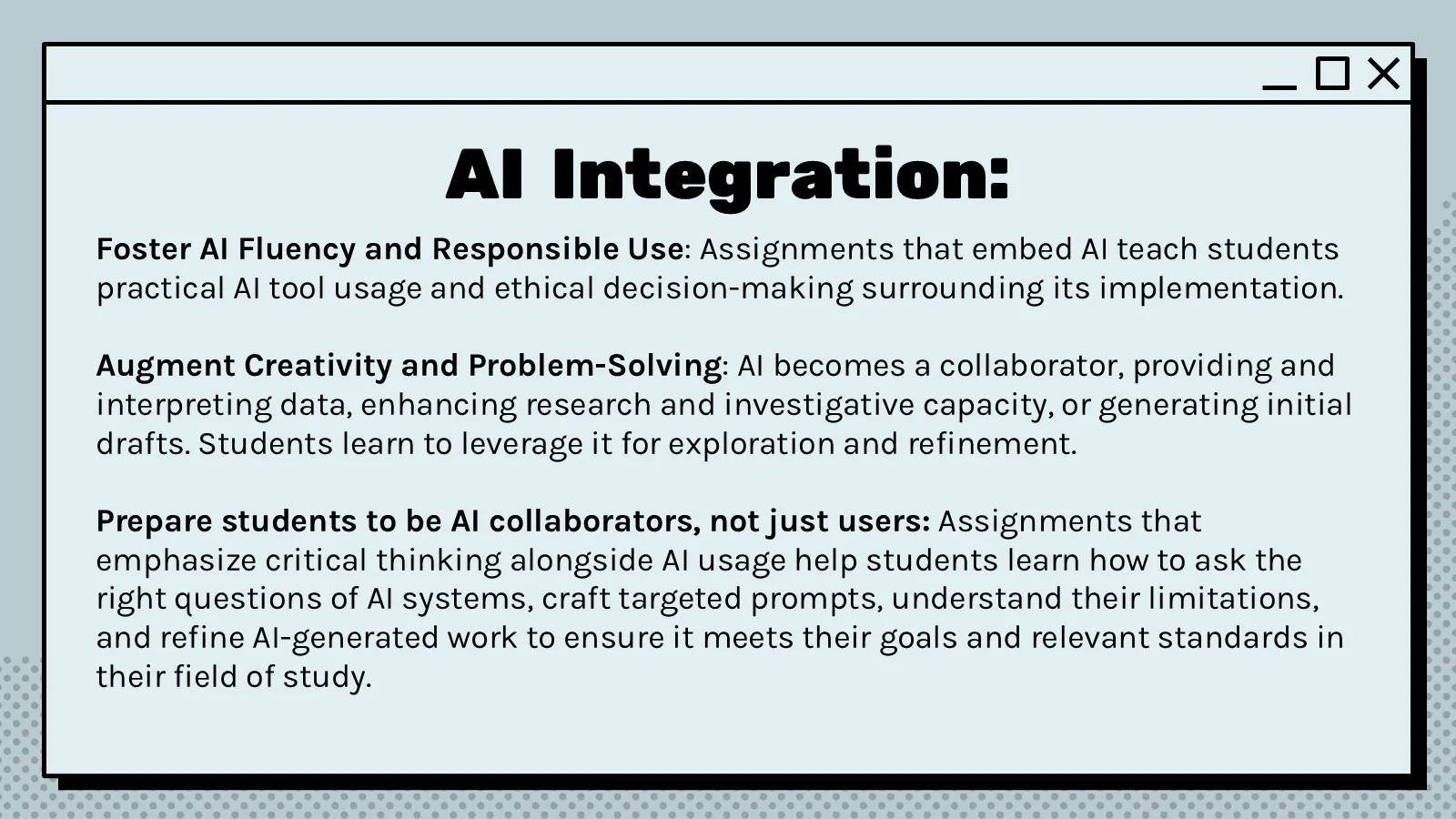
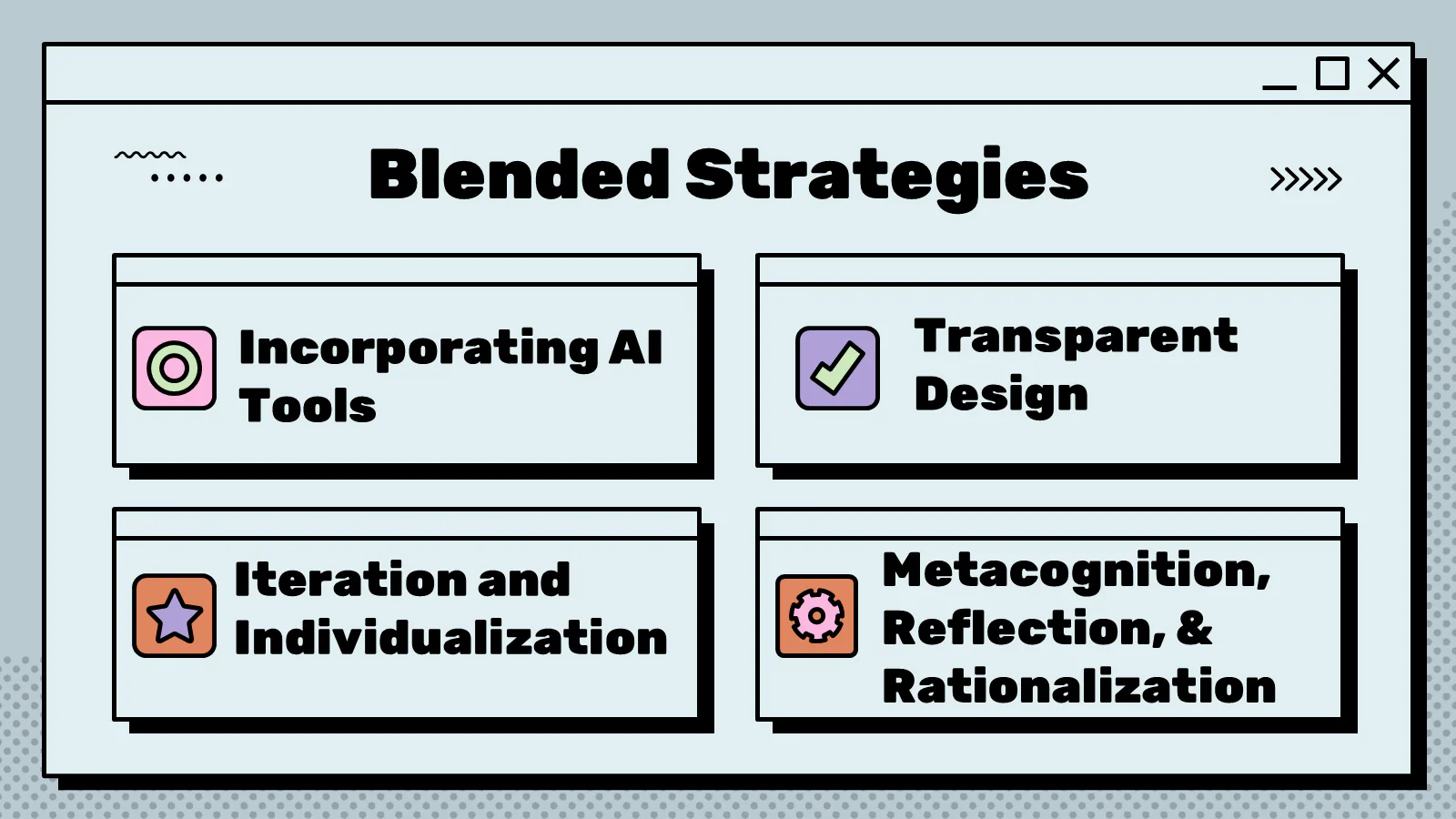
I shared practical methods for building AI-resistant assignments and adaptive learning pathways, using LLM scaffolds and iterative feedback.
I was presenting on this early, in spring 2024. Research and practice have moved on since, and my own understanding has become more nuanced. I include my part of the session here to show where my work with AI in assignments began. The slides below are my portion of a session I shared with two other designers.
The course case study covers an MBA course about judging AI proposals. The practice page covers how I work with AI myself.
Leading with AI: the course → Working with AI →